Eskenzi PR ad banner Eskenzi PR ad banner
  • About Us
Wednesday, 3 June, 2026
IT Security Guru
Eskenzi PR banner
  • Home
  • Features
  • Insight
  • Channel News
  • Events
    • Most Inspiring Women in Cyber 2026
  • Topics
    • Cloud Security
    • Cyber Crime
    • Cyber Warfare
    • Data Protection
    • DDoS
    • Hacking
    • Malware, Phishing and Ransomware
    • Mobile Security
    • Network Security
    • Regulation
    • Skills Gap
    • The Internet of Things
    • Threat Detection
    • AI and Machine Learning
    • Industrial Internet of Things
  • Multimedia
  • Product Reviews
  • About Us
No Result
View All Result
  • Home
  • Features
  • Insight
  • Channel News
  • Events
    • Most Inspiring Women in Cyber 2026
  • Topics
    • Cloud Security
    • Cyber Crime
    • Cyber Warfare
    • Data Protection
    • DDoS
    • Hacking
    • Malware, Phishing and Ransomware
    • Mobile Security
    • Network Security
    • Regulation
    • Skills Gap
    • The Internet of Things
    • Threat Detection
    • AI and Machine Learning
    • Industrial Internet of Things
  • Multimedia
  • Product Reviews
  • About Us
No Result
View All Result
IT Security Guru
No Result
View All Result

Is the CEO to blame for a Data Breach? Infosec professionals have spoken!

by The Gurus
July 26, 2017
in Editor's News
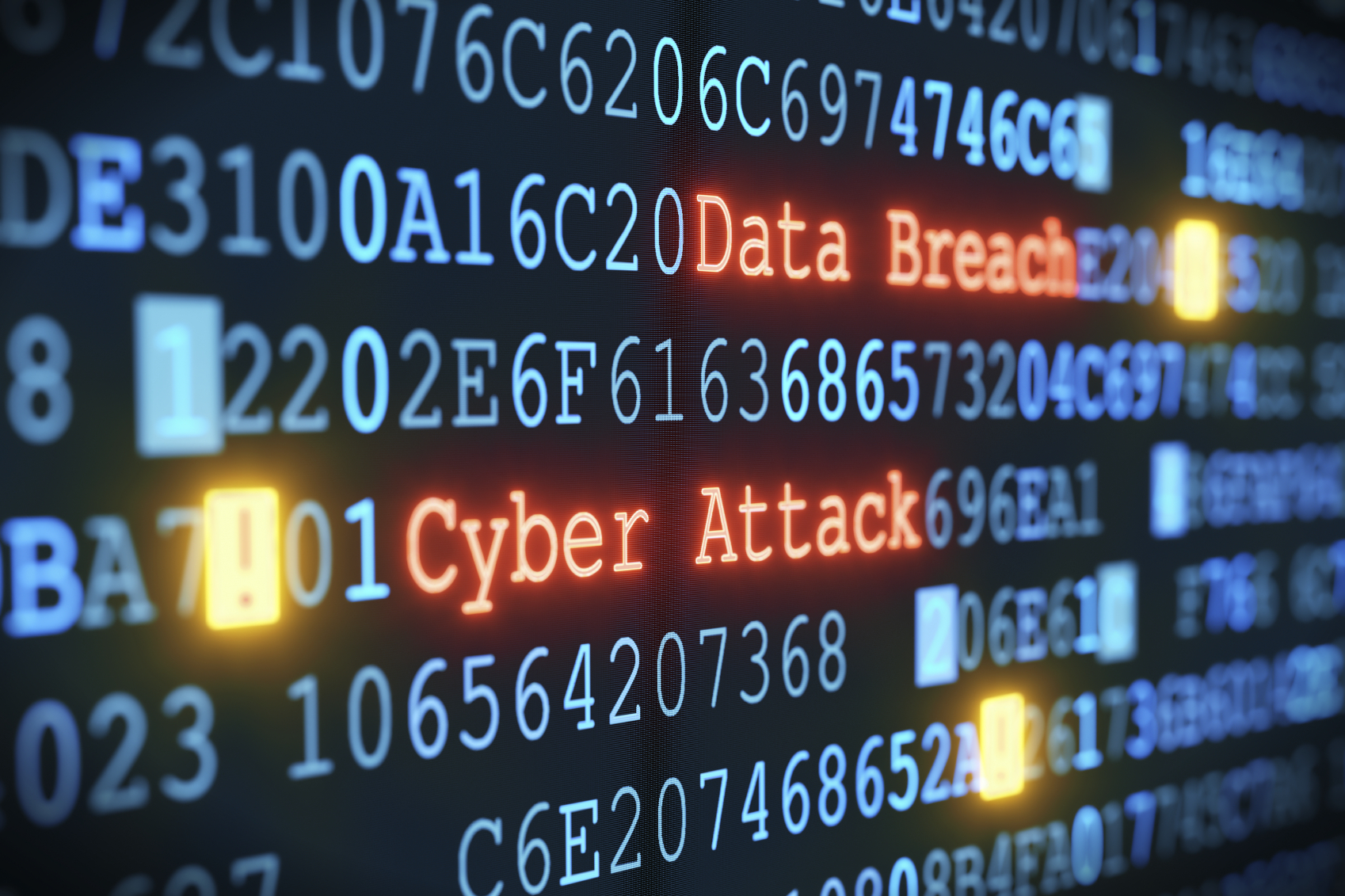
Data Breach Cyber attack code
Share on FacebookShare on Twitter

The past year has seen attacks like Wannacry and Petya cause worldwide disruption, with countless data breaches harming household names. The damage to reputation, and increased public scrutiny, coupled with the average cost of a data breach now estimated at $3.62 million globally, can severely cripple a business to the brink of bankruptcy. So, if a data breach occurs, who is to blame? Tripwire, a leading global provider of security and compliance solutions for enterprises and industrial organizations, conducted a survey at Infosecurity Europe 2017 to ask security professionals whose neck is most on the line if a company has a data breach.
Of the respondents, 40% believed the CEO’s were the first to be in the firing line if a company was compromised by a data breach, followed by CISO (21%), “other” (15%) and CIO (14%)[1]. Based on these results, CEO’s must be aware of the basic principles of security. We have already seen CEO’s accept responsibility for data breaches. Marissa Mayer, CEO of Yahoo, forfeited her cash bonus following a breach under her tenure.
However, the responsibility of understanding and implementing security should not solely fall on the CEO’s shoulders. Foundational security controls should be demonstrated from the board level all the way down to the workforce.
Tim Erlin, VP at Tripwire said, “Accountability starts with the CEO, but information security is a shared responsibility across every function and level of an organization. Data breaches are a problem that the board-level executives need to be responsible for addressing, which means that the CISO must be involved in those board-level discussions. The board can’t take meaningful, productive risk management action without that expertise in the room.”
“Nevertheless, even the most diligent organizations are still susceptible to attack, and to human error. Businesses need to implement and maintain a core set of foundational security controls, which is a proven strategy for reducing the risk of cyberattacks. The focus should be on a balance of tools and outcomes, and especially a balance between prevention and detection.”
In addition to finding out whose neck was on the line from a data breach, Tripwire also uncovered which department security professionals felt struggled most with cyber security. Nearly a third (29%) thought the Operations department struggled with dealing cyber attacks. Departments chosen by security professionals included Finance (14%), Sales (13%), HR (11%) and Marketing (10%) found it difficult when handling cyberattacks[2].
Erlin added, “Companies must recognise the need for a cross-functional incident response plan. The worst time to plan for a cyber attack is after the incident has occurred, but this is what happens far too often. Security hygiene goes a long way toward making the attackers job’s difficult, as well as creating confidence in your company’s overall security, but incidents still occur and creating awareness of the incident response plan ahead of time will prevent panic, especially from the groups that don’t worry about these attacks on a daily basis.”
 
Survey Results:
 
[1] In your organisation, whose neck is most on the line if you have a data breach?
Results based on 350 responses:

  • 39.71% CEO
  • 20.86% CISO
  • 14.57% Other
  • 13.71% CIO
  • 6.00% CRO (Chief Risk Officer)
  • 3.71% COO
  • 1.43% CFO

 
[2] In your organisation, which department do you think struggles most with cyber security?
Results based on 350 responses to this question

  • 14% Operations
  • 43% Other
  • 00% Finance
  • 86% Sales
  • 14% HR
  • 43% Marketing
Tags: CybersecurityTechnology
ShareTweet
Previous Post

Businesses must be savvy to mobile security threats as app adoption spikes

Next Post

'Virtual kidnapping' phone scams claim victim's family members have been abducted

Recent News

Nagomi Control Brings CTEM Into Action

IT Security Guru picks for Infosecurity Europe 2026

June 1, 2026
Nine in Ten Security Leaders Concerned About AI-Generated Code Risks as Salt Security Launches New Governance Tool

Nine in Ten Security Leaders Concerned About AI-Generated Code Risks as Salt Security Launches New Governance Tool

June 1, 2026
Acumen Cyber and AttackIQ Partner to Strengthen Cyber Defense Validation

Acumen Cyber and AttackIQ Partner to Strengthen Cyber Defense Validation

May 29, 2026
Check Point Launches AI Agents That Think Like Attackers as Autonomous Exploitation Reaches Critical Threat Level

Check Point Launches AI Agents That Think Like Attackers as Autonomous Exploitation Reaches Critical Threat Level

May 28, 2026

The IT Security Guru offers a daily news digest of all the best breaking IT security news stories first thing in the morning! Rather than you having to trawl through all the news feeds to find out what’s cooking, you can quickly get everything you need from this site!

Our Address: 10 London Mews, London, W2 1HY

Follow Us

© 2015 - 2024 IT Security Guru - Website Managed by Dessol

  • About Us
Manage Consent
To provide the best experiences, we use technologies like cookies to store and/or access device information. Consenting to these technologies will allow us to process data such as browsing behavior or unique IDs on this site. Not consenting or withdrawing consent, may adversely affect certain features and functions.
Functional Always active
The technical storage or access is strictly necessary for the legitimate purpose of enabling the use of a specific service explicitly requested by the subscriber or user, or for the sole purpose of carrying out the transmission of a communication over an electronic communications network.
Preferences
The technical storage or access is necessary for the legitimate purpose of storing preferences that are not requested by the subscriber or user.
Statistics
The technical storage or access that is used exclusively for statistical purposes. The technical storage or access that is used exclusively for anonymous statistical purposes. Without a subpoena, voluntary compliance on the part of your Internet Service Provider, or additional records from a third party, information stored or retrieved for this purpose alone cannot usually be used to identify you.
Marketing
The technical storage or access is required to create user profiles to send advertising, or to track the user on a website or across several websites for similar marketing purposes.
  • Manage options
  • Manage services
  • Manage {vendor_count} vendors
  • Read more about these purposes
View preferences
  • {title}
  • {title}
  • {title}
No Result
View All Result
  • Home
  • Features
  • Insight
  • Channel News
  • Events
    • Most Inspiring Women in Cyber 2026
  • Topics
    • Cloud Security
    • Cyber Crime
    • Cyber Warfare
    • Data Protection
    • DDoS
    • Hacking
    • Malware, Phishing and Ransomware
    • Mobile Security
    • Network Security
    • Regulation
    • Skills Gap
    • The Internet of Things
    • Threat Detection
    • AI and Machine Learning
    • Industrial Internet of Things
  • Multimedia
  • Product Reviews
  • About Us

© 2015 - 2024 IT Security Guru - Website Managed by Dessol