Recently 23andMe, the popular DNA testing service, made a startling admission: hackers had gained unauthorised access to the personal data of 6.9 million users, specifically their ‘DNA Relatives’ data.

This kind of high-profile breach made headlines globally, and naturally highlights the need for stringent security measures when handling organisational data – especially the type of sensitive genetic information that 23andMe is responsible for. Further, although the hacker appears to have to use a tactic known as credential stuffing to access 23andMe’s customer accounts, it does pose wider questions to organisations, IT managers and security experts about the security measures that are used more generally to keep organisational and consumer data safe from threat actors? With a key question for many organisations today surrounding that of where and how they host their data – especially when you consider 23andMe’s data has reportedly been stored solely on cloud servers?
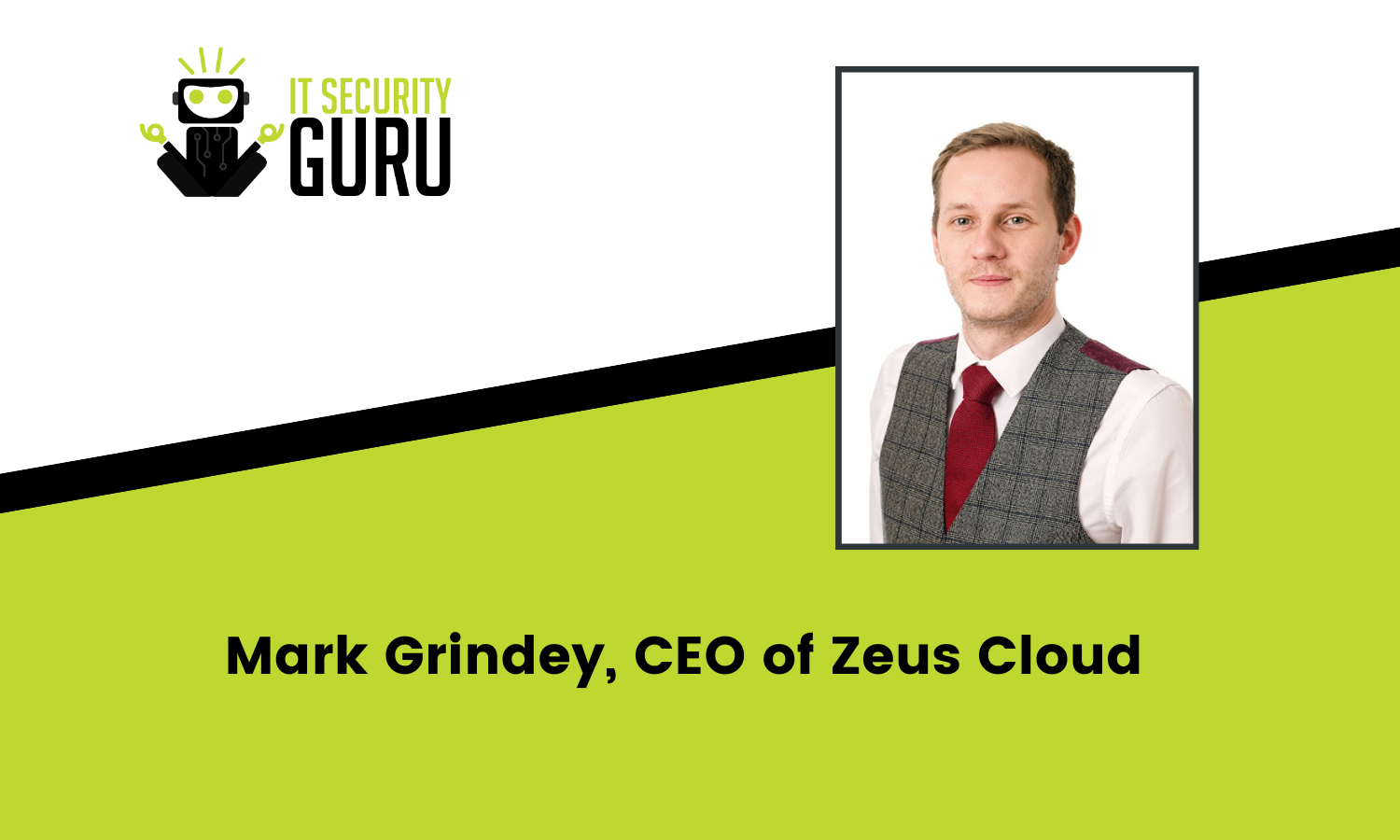
Mark Grindey, CEO, Zeus Cloud explains that one way that organisations can mitigate similar risks is by implementing on-premises and hybrid cloud solutions. He covers how these technologies can play a vital role in safeguarding organisational data – such as 23andMe’s important genetic data – and shares insights about the key steps organisations can take to be more secure.
Achieving direct control of data
In 23andMe’s case, its compromised ‘DNA Relatives’ data holds immense value and is extremely sensitive. This is because it enables individuals to connect with potential relatives based on shared genetic information. However, this kind of valuable data often becomes a target for cybercriminals, who are seeking to exploit it for various purposes: including identity theft, fraud, and other nefarious activities. Therefore, to protect this type of information, organisations need to implement robust security measures that ensure the confidentiality, integrity, and availability of the data.
On-premises solutions enables part of this protection to take place effectively and involves hosting data and applications within an organisation’s own physical infrastructure. This approach gives organisations direct control over their data and allows them to implement rigorous security protocols. For instance, by keeping genetic data on-site, an organisation like 23andMe is able to secure it behind multiple layers of firewalls and intrusion detection systems, reducing the risk of external breaches. Additionally, access to this data can be restricted to authorised personnel only, minimising the potential for internal data leaks.
Another school of thought that is worth considering, for many organisations, is to use hybrid cloud solutions. This approach combines the advantages of on-premises and cloud-based services. Organisations can use public or private clouds appropriately to store non-sensitive data while keeping sensitive information – like genetic information in 23andMe’s case – on-premises. This method provides organisations the flexibility to scale resources and accommodate fluctuating user demand, while still maintaining strict data control. When set up and configured correctly – using encrypted connections and robust authentication mechanisms – hybrid cloud solutions ensure that secure data transmission between the on-premises and cloud environments takes place.
Steps Towards Preventing Data Breaches
While implementing on-premises and hybrid cloud solutions can significantly reduce the risk of data breaches and unauthorised access to data, there are several other crucial steps and techniques that organisations can take and make use of to secure and protect data from breaches.
Obvious as it may seem to many in the industry, today it is vital to encrypt data during the storage and transmission thereof. This renders compromised data meaningless to unauthorised users, even if threat actors manage to gain access to it. Implementing multi-factor authentication is vital too. It strengthens access controls and adds an extra layer of security. Users trying to access data should, effectively, be required to provide multiple forms of verification, such as passwords, biometrics, or smart cards to access their data genetic data. In 23andMe’s case, while they do offer this approach to their users, perhaps the use thereof should be made to be mandatory given their recent breach?
Aside from this, it is recommended that organisations conduct frequent security audits to identify vulnerabilities and ensure compliance with industry standards and best practices. This involves testing the effectiveness of security protocols and promptly addressing any discrepancies.
Finally, no robust security framework is complete without equipping employees with proper training and awareness about their responsibilities towards securing data and protecting it. Regular security awareness programmes help staff understand their roles and responsibilities in protecting data.
Even though 23andMe claims that it exceeds industry data protection standards and has achieved three different ISO certifications to demonstrate the strength of its security program, and that it actively routinely monitors and audits its systems, an incident like this, along with the PR and media attention that it has gained, will undoubtedly have caused its team to evaluate all of its security parameters including the further training of its team in order to ensure this doesn’t occur in future.
Conclusion
23andMe’s recent data breach serves as a wake-up call for organisations handling data, especially sensitive genetic information provided by consumers. This kind of incident will have naturally caused it to reconsider its security policies and approach towards securing organisational and customer data. Today, as other organisations consider their approach towards security and protecting data, many will review where and how their data is stored, managed and accessed.
This is especially true of banks, telcos, insurance companies and many other kinds of firms. On-premises and hybrid cloud solutions provide powerful and effective options here too. They enable organisations to fortify their security measures and protect against potential data breaches.
The combination of direct control over data provided, along with tools and tactics like encryption, multi-factor authentication, security audits, and employee training creates a comprehensive defence against unauthorised access of organisational data. All of which the likes of 23andMe, along with many other organisations, will be considering and prioritising as they strive to adopt more robust security measures that ensure the privacy and integrity of organisational, and consumer, data.