International Cyber Expo International Cyber Expo
  • About Us
Sunday, 27 September, 2026
IT Security Guru
International Cyber Expo
  • Home
  • Features
  • Insight
  • Channel News
  • Events
    • Most Inspiring Women in Cyber 2026
  • Topics
    • Cloud Security
    • Cyber Crime
    • Cyber Warfare
    • Data Protection
    • DDoS
    • Hacking
    • Malware, Phishing and Ransomware
    • Mobile Security
    • Network Security
    • Regulation
    • Skills Gap
    • The Internet of Things
    • Threat Detection
    • AI and Machine Learning
    • Industrial Internet of Things
  • Multimedia
  • Product Reviews
  • About Us
No Result
View All Result
  • Home
  • Features
  • Insight
  • Channel News
  • Events
    • Most Inspiring Women in Cyber 2026
  • Topics
    • Cloud Security
    • Cyber Crime
    • Cyber Warfare
    • Data Protection
    • DDoS
    • Hacking
    • Malware, Phishing and Ransomware
    • Mobile Security
    • Network Security
    • Regulation
    • Skills Gap
    • The Internet of Things
    • Threat Detection
    • AI and Machine Learning
    • Industrial Internet of Things
  • Multimedia
  • Product Reviews
  • About Us
No Result
View All Result
IT Security Guru
No Result
View All Result

Empowered employees strengthen financial sector digital resilience

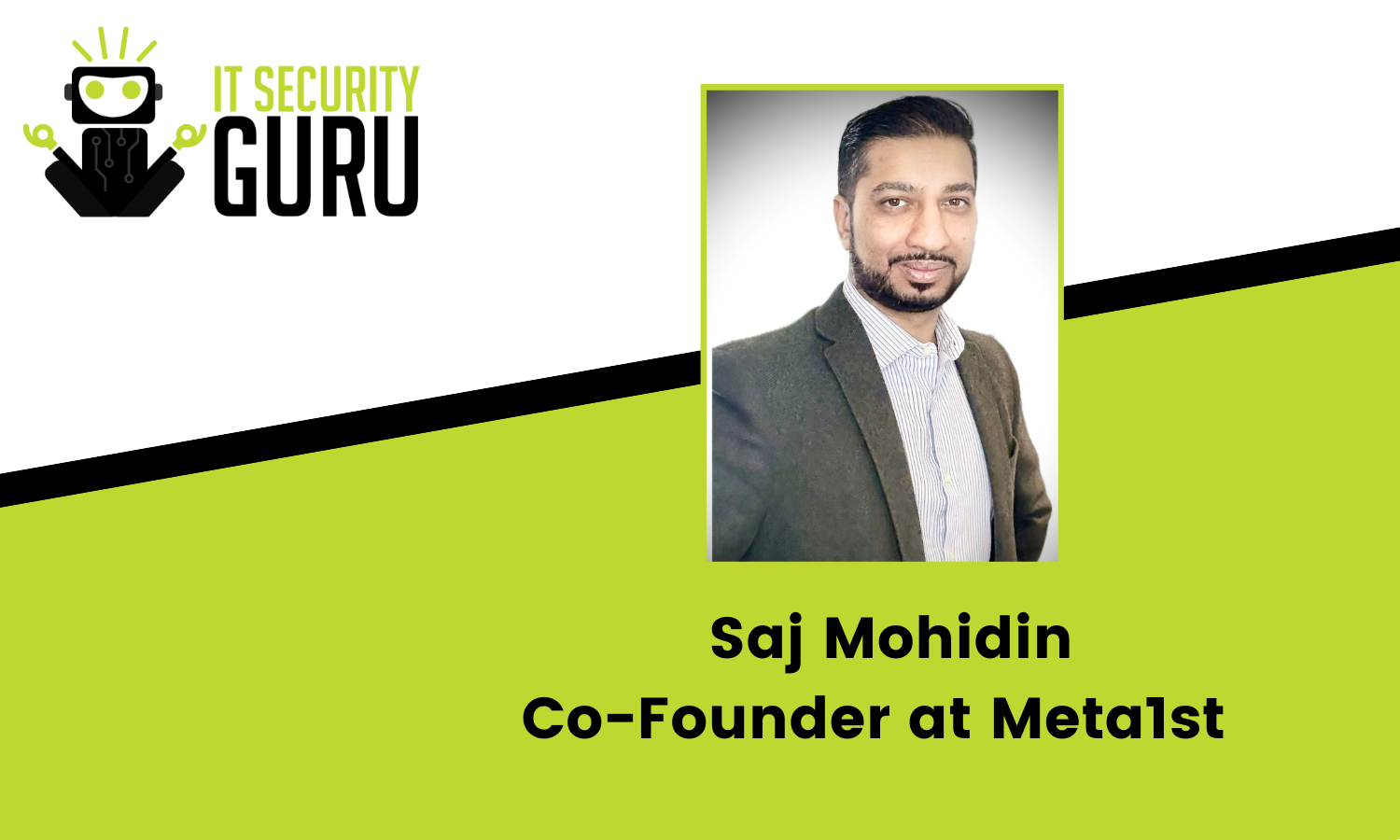
Saj Mohidin Co-Founder at Meta1st explains the importance of intelligent, bespoke employee cyber security training and awareness for DORA compliance

by Guru Writer
July 7, 2025
in Insight
Empowered employees strengthen financial sector digital resilience

Saj Mohidin Co-Founder at Meta1st explains the importance of intelligent, bespoke employee cyber security training and awareness for DORA compliance

Share on FacebookShare on Twitter

Ensuring that any organisation can withstand, respond effectively to and recover quickly from ICT disruptions is a strategic imperative. This is particularly true within the financial sector. The Digital Operational Resilience Act (DORA), which became mandatory on 17 January this year, was put in place to serve as a robust standard for resilience. It doesn’t just need organisations in scope to implement sophisticated technological defences, it needs them to have a proactive, well-informed workforce that is ready to tackle cyber threats.

At its core, DORA is a five-pillar framework. These cover ICT risk management, incident reporting, digital operational resilience testing, third-party risk management and information sharing. Technology is a critical component of all of these pillars; however, the human element is equally important. This is hardly surprising when you consider that various sources cite human errors as being responsible for between 70% and 95% of all cyber incidents.  This means that even when the most robust technological safeguards are in place, the human element will be a significant source of vulnerability.

Regardless of the source of the incident, employees can also be the difference between a controlled breach and a full-scale disruption.

What is needed is highly targeted training and simulation exercises that help organisations to ensure that their staff are equipped to identify emerging threats, report incidents promptly and engage in effective remediation efforts.

Digital operational resilience testing and human risk

Digital operational resilience testing under DORA goes beyond merely identifying what the vulnerabilities are. It also involves actively testing the human layer. Simulated phishing attacks and other real-world based cyber threat exercises serve multiple purposes. They not only provide a practical measure of employee readiness, but they also help to build essential knowledge and skills for identifying genuine communications from deceptive ones.

By exposing staff to realistic threat scenarios, organisations are cultivating a security-first mindset. This is vital for mitigating risks before they escalate and disrupt business operations.

Awareness enhances incident reporting

The quick reporting of incidents is a cornerstone of DORA compliance. It mandates strict timelines, for example, notifying relevant authorities within four hours of classifying a major incident, as well as following up with detailed reports within set timeframes.

It is important to ensure employees are aware of this, so they are equipped to act as the eyes and ears of the organisation and support compliance. Their ability and readiness to spot and report anomalies will help to reduce the time to containment and ensure that incidents are managed efficiently and effectively. This not only supports DORA compliance, it safeguards both financial and reputational assets.

Establishing a sharing culture

As well as ensuring individual preparedness, training and awareness initiatives will also help establish an environment where information is able to flow freely. By encouraging employees to share all of their observations on suspicious activities or emerging threats, an organisation will get stronger collective intelligence.

Staff need to be able to actively participate in the reporting process through easy-to-use tools and transparent processes. This will enable them to contribute to a dynamic, organisation-wide threat intelligence network. Not only does this type of collaborative approach support internal decision-making, but it will also help to enhance the overall resilience of the financial ecosystem when these insights are shared across the industry.

A more resilient organisational culture

Ultimately, investing in employee training and awareness is far more than a tick-box DORA compliance exercise. It is a strategic investment in any financial sector organisation’s future. Building a culture that prioritises cyber security will ensure that every member of the team understands their critical role in safeguarding the organisation and the financial industry as a whole.

The nature of cyber threats will always be evolving, so a well-informed and agile workforce is the most important line of defence because it can adapt to and mitigate risks before they get a chance to occur.

Organisations should also look at additional innovative strategies such as cross-sector workshops, inter-company threat simulations or advanced behavioural analytics as next steps toward deepening their digital resilience. These initiatives not only further empower employees but also help build genuine expertise, creating a ripple effect that will improve security standards across the industry.


ShareTweet
Previous Post

How to Secure Your Promo Codes Against Cyber Exploits

Next Post

Trust nothing, verify everything: Why the UK public sector must embrace Zero Trust

Recent News

Attackers build “silent” cryptominer on victim’s machine and give themselves away

Attackers build “silent” cryptominer on victim’s machine and give themselves away

September 25, 2026
OpenAI agent breached Australia’s Medicare portal – and nobody noticed for three months

OpenAI agent breached Australia’s Medicare portal – and nobody noticed for three months

September 25, 2026
Zero-day hackers ditch exploits for a fake image file in new DarkMe campaign

Zero-day hackers ditch exploits for a fake image file in new DarkMe campaign

September 23, 2026
CRA Reporting Is Live: What Manufacturers, Vendors, and Distributors Need to Know

CRA Reporting Is Live: What Manufacturers, Vendors, and Distributors Need to Know

September 23, 2026

Eskenzi PR banner ad

The IT Security Guru offers a daily news digest of all the best breaking IT security news stories first thing in the morning! Rather than you having to trawl through all the news feeds to find out what’s cooking, you can quickly get everything you need from this site!

Our Address: 10 London Mews, London, W2 1HY

Follow Us

© 2015 - 2026 IT Security Guru - Website Managed by Dessol

  • About Us
Manage Consent
To provide the best experiences, we use technologies like cookies to store and/or access device information. Consenting to these technologies will allow us to process data such as browsing behavior or unique IDs on this site. Not consenting or withdrawing consent, may adversely affect certain features and functions.
Functional Always active
The technical storage or access is strictly necessary for the legitimate purpose of enabling the use of a specific service explicitly requested by the subscriber or user, or for the sole purpose of carrying out the transmission of a communication over an electronic communications network.
Preferences
The technical storage or access is necessary for the legitimate purpose of storing preferences that are not requested by the subscriber or user.
Statistics
The technical storage or access that is used exclusively for statistical purposes. The technical storage or access that is used exclusively for anonymous statistical purposes. Without a subpoena, voluntary compliance on the part of your Internet Service Provider, or additional records from a third party, information stored or retrieved for this purpose alone cannot usually be used to identify you.
Marketing
The technical storage or access is required to create user profiles to send advertising, or to track the user on a website or across several websites for similar marketing purposes.
  • Manage options
  • Manage services
  • Manage {vendor_count} vendors
  • Read more about these purposes
View preferences
  • {title}
  • {title}
  • {title}
No Result
View All Result
  • Home
  • Features
  • Insight
  • Channel News
  • Events
    • Most Inspiring Women in Cyber 2026
  • Topics
    • Cloud Security
    • Cyber Crime
    • Cyber Warfare
    • Data Protection
    • DDoS
    • Hacking
    • Malware, Phishing and Ransomware
    • Mobile Security
    • Network Security
    • Regulation
    • Skills Gap
    • The Internet of Things
    • Threat Detection
    • AI and Machine Learning
    • Industrial Internet of Things
  • Multimedia
  • Product Reviews
  • About Us

© 2015 - 2026 IT Security Guru - Website Managed by Dessol