Eskenzi PR ad banner Eskenzi PR ad banner
  • About Us
Friday, 3 July, 2026
IT Security Guru
Eskenzi PR banner
  • Home
  • Features
  • Insight
  • Channel News
  • Events
    • Most Inspiring Women in Cyber 2026
  • Topics
    • Cloud Security
    • Cyber Crime
    • Cyber Warfare
    • Data Protection
    • DDoS
    • Hacking
    • Malware, Phishing and Ransomware
    • Mobile Security
    • Network Security
    • Regulation
    • Skills Gap
    • The Internet of Things
    • Threat Detection
    • AI and Machine Learning
    • Industrial Internet of Things
  • Multimedia
  • Product Reviews
  • About Us
No Result
View All Result
  • Home
  • Features
  • Insight
  • Channel News
  • Events
    • Most Inspiring Women in Cyber 2026
  • Topics
    • Cloud Security
    • Cyber Crime
    • Cyber Warfare
    • Data Protection
    • DDoS
    • Hacking
    • Malware, Phishing and Ransomware
    • Mobile Security
    • Network Security
    • Regulation
    • Skills Gap
    • The Internet of Things
    • Threat Detection
    • AI and Machine Learning
    • Industrial Internet of Things
  • Multimedia
  • Product Reviews
  • About Us
No Result
View All Result
IT Security Guru
No Result
View All Result

Pentesting is dead. Long live pentesting.

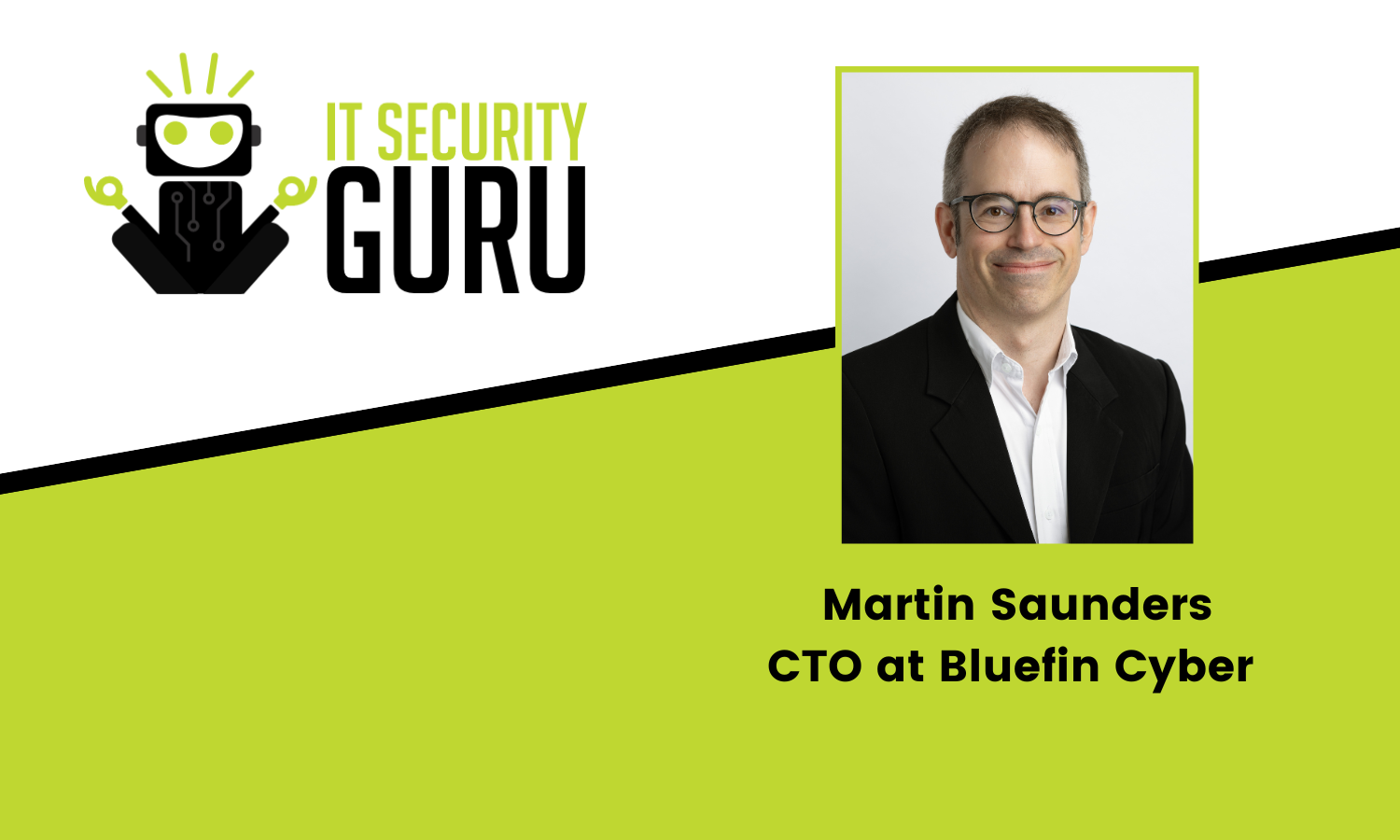
Martin Saunders, CTO at Bluefin Cyber, discusses why we need to question what a penetration test actually means

by Guru Writer
July 3, 2026
in Insight
pentesting
Share on FacebookShare on Twitter

Penetration testing has been a cornerstone of cybersecurity for decades. For many organisations, it is part of an annual security programme, providing reassurance for boards, evidence for customers and insurers and a demonstration of compliance with regulatory requirements. It is also one of the most commonly purchased cybersecurity services. 

Despite its widespread use, penetration testing is actually one of the least consistently defined services in the industry. Two providers can assess the same environment and produce very different reports. One may identify critical vulnerabilities that another overlooks. Recommendations, severity ratings and conclusions can differ significantly, even though both engagements are described as a “penetration test”. This level of inconsistency raises questions around whether an organisation actually knows what it is buying. 

The answer is more complicated than it may first seem. A penetration test is not a standardised product with identical or even similar outputs regardless of who performs it. Its quality depends heavily on the tester’s methodology used, the time allocated and, crucially, the scope agreed before the work even begins. These variables mean that the value of a penetration test differs enormously from one provider to another. 

Unfortunately, many organisations still purchase penetration testing as if it were a commodity. This means the procurement decisions will often be driven by cost or by the need to satisfy a compliance requirement, instead of by a clear understanding of what the organisation is really trying to achieve. The result is a report that proves that a test has taken place but not necessarily one that provides a meaningful level of insight into the organisation’s real exposure to cyber risk. 

That challenge has become even greater as technology environments have evolved. Organisations operate across cloud platforms, SaaS applications, remote devices, third-party services and complex digital supply chains. Many businesses struggle to maintain a complete inventory of their own assets. And if you do not have full visibility of your environment, it is difficult to define the scope of a penetration test, let alone be confident that every important system has been assessed. 

This is where the phrase “passing a penetration test” can become misleading. A penetration test only assesses the systems and scenarios that have been agreed upon and are within its scope at a particular point in time. It cannot provide assurance about assets that were omitted, systems deployed after the test, or new vulnerabilities that emerge the following week. Treating the report as proof that an organisation is secure risks creating a false sense of confidence. 

Compliance has contributed to this mindset. Many standards and regulations require organisations to demonstrate that security testing has taken place, which is a good thing. However, there is a danger that the objective of the penetration test becomes obtaining the report rather than improving security. Cyber resilience is not measured by whether a penetration test was completed but by whether the findings are understood, prioritised and used to reduce genuine business risk. 

But none of this means that penetration testing is obsolete. It is quite the opposite. Independent, expert-led testing is one of the most effective ways of understanding how an attacker could compromise an organisation. What needs to change is the expectation that every penetration test is equivalent, or that a single assessment can provide lasting assurance in an environment that changes continuously. 

The future of penetration testing is likely to be more contextual and outcome driven. Rather than asking whether a business has had a penetration test, the focus should be on whether they have tested the systems that matter most, whether the testing reflected realistic attack scenarios and whether the findings have improved their security posture. 

Of course, the value of a penetration test has never been the report itself. Its value lies in helping organisations understand where they are vulnerable, why those vulnerabilities matter and what they should do next. If the industry can refocus on those outcomes rather than simply delivering another compliance exercise, then penetration testing has a very strong future.

ShareTweet
Previous Post

The industries being reimagined by AI

Recent News

pentesting

Pentesting is dead. Long live pentesting.

July 3, 2026
AI Appreciation Day: Celebrating Progress, Embracing Responsibility

The industries being reimagined by AI

July 2, 2026
geopolitical cyber report

Iran-linked MuddyWater espionage campaign targets organisations across four continents

July 1, 2026
Check Point Brings Cloud Firewall to AWS European Sovereign Cloud

Check Point Brings Cloud Firewall to AWS European Sovereign Cloud

July 1, 2026

The IT Security Guru offers a daily news digest of all the best breaking IT security news stories first thing in the morning! Rather than you having to trawl through all the news feeds to find out what’s cooking, you can quickly get everything you need from this site!

Our Address: 10 London Mews, London, W2 1HY

Follow Us

© 2015 - 2024 IT Security Guru - Website Managed by Dessol

  • About Us
Manage Consent
To provide the best experiences, we use technologies like cookies to store and/or access device information. Consenting to these technologies will allow us to process data such as browsing behavior or unique IDs on this site. Not consenting or withdrawing consent, may adversely affect certain features and functions.
Functional Always active
The technical storage or access is strictly necessary for the legitimate purpose of enabling the use of a specific service explicitly requested by the subscriber or user, or for the sole purpose of carrying out the transmission of a communication over an electronic communications network.
Preferences
The technical storage or access is necessary for the legitimate purpose of storing preferences that are not requested by the subscriber or user.
Statistics
The technical storage or access that is used exclusively for statistical purposes. The technical storage or access that is used exclusively for anonymous statistical purposes. Without a subpoena, voluntary compliance on the part of your Internet Service Provider, or additional records from a third party, information stored or retrieved for this purpose alone cannot usually be used to identify you.
Marketing
The technical storage or access is required to create user profiles to send advertising, or to track the user on a website or across several websites for similar marketing purposes.
  • Manage options
  • Manage services
  • Manage {vendor_count} vendors
  • Read more about these purposes
View preferences
  • {title}
  • {title}
  • {title}
No Result
View All Result
  • Home
  • Features
  • Insight
  • Channel News
  • Events
    • Most Inspiring Women in Cyber 2026
  • Topics
    • Cloud Security
    • Cyber Crime
    • Cyber Warfare
    • Data Protection
    • DDoS
    • Hacking
    • Malware, Phishing and Ransomware
    • Mobile Security
    • Network Security
    • Regulation
    • Skills Gap
    • The Internet of Things
    • Threat Detection
    • AI and Machine Learning
    • Industrial Internet of Things
  • Multimedia
  • Product Reviews
  • About Us

© 2015 - 2024 IT Security Guru - Website Managed by Dessol