Eskenzi PR ad banner Eskenzi PR ad banner
  • About Us
Thursday, 4 June, 2026
IT Security Guru
Eskenzi PR banner
  • Home
  • Features
  • Insight
  • Channel News
  • Events
    • Most Inspiring Women in Cyber 2026
  • Topics
    • Cloud Security
    • Cyber Crime
    • Cyber Warfare
    • Data Protection
    • DDoS
    • Hacking
    • Malware, Phishing and Ransomware
    • Mobile Security
    • Network Security
    • Regulation
    • Skills Gap
    • The Internet of Things
    • Threat Detection
    • AI and Machine Learning
    • Industrial Internet of Things
  • Multimedia
  • Product Reviews
  • About Us
No Result
View All Result
  • Home
  • Features
  • Insight
  • Channel News
  • Events
    • Most Inspiring Women in Cyber 2026
  • Topics
    • Cloud Security
    • Cyber Crime
    • Cyber Warfare
    • Data Protection
    • DDoS
    • Hacking
    • Malware, Phishing and Ransomware
    • Mobile Security
    • Network Security
    • Regulation
    • Skills Gap
    • The Internet of Things
    • Threat Detection
    • AI and Machine Learning
    • Industrial Internet of Things
  • Multimedia
  • Product Reviews
  • About Us
No Result
View All Result
IT Security Guru
No Result
View All Result

Brits Fear Driverless Cars Will Crash

by The Gurus
September 15, 2017
in Editor's News
Share on FacebookShare on Twitter

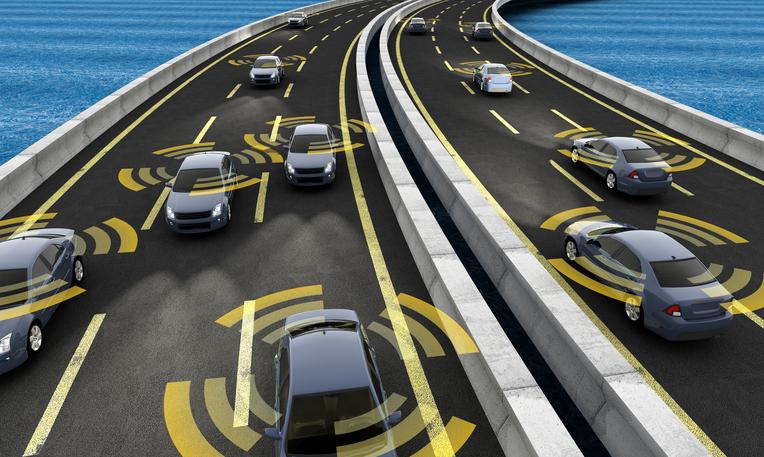
Millions of Brits are opposed to the introduction of driverless cars because they fear they will crash – and could be too easily hacked.

Research revealed 44 per cent of motorists are against the space age vehicles hitting the nation’s highways.

Almost three-quarters feared a malfunction and a similar amount said they didn’t trust a computer to keep other drivers safe.

Over half were worried the vehicles could be remotely hacked and 53 per cent worried they are more likely to crash.

But despite widespread apprehension, further analysis shows many can see positives in the introduction of autonomous vehicles.

The majority of drivers believe the driverless car revolution will be a good excuse to get sociable and chat with fellow passengers, while two in five said they would use the time to catch up with friends or colleagues on the phone.

One third felt they’d be able to relax and snap a few photographs of passing scenery, while also catching up on social media.

When it comes to insuring a driverless car, over two in five felt their insurance premiums could sky-rocket, despite the technology’s potential to eliminate human error.

Simon McCulloch, Director of Insurance at comparethemarket.com said; “The future of driverless cars is closer than we think and with a nation divided on the benefits they could bring, it’s vital any concerns the public might have are addressed before plans for driverless vehicles go into auto-pilot.

“A major point of concern and confusion for motorists is how the arrival of self-driving cars will affect their insurance policies, which is why we created our newly designed driverless car quote journey.

“By seeing how a future policy might work, we hope we can help the debate on what the future could hold for personal transportation and how this could impact insurance policies.

”At comparethemarket.com we want to help our customers learn more about the subject, so they can feel better informed about the pros and cons.”

Working with Professor Neville Stanton, expert on human engineering, comparethemarket.com has ‘future-gazed’ to see how completing a quote might look when buying car insurance in the future.

‘The quote journey’ is designed to help customers better understand the concept of driverless cars, while also preparing them for when they’re introduced to UK roads.

Professor Stanton, who is Chair of Human Factors Engineering at the University of Southampton, says: “It naturally takes a while to adjust to new technologies and advancements that may be a little out of our comfort zone.

“Together with comparethemarket.com, we hope the unique quote journey helps customers, as well as provides some light entertainment and excitement at what’s potentially to come.

“Technologies such as contactless cards, online shopping, and even the introduction of apps has not always been met with positivity so it will be interesting to see how opinions evolve once driverless cars are out on UK roads.”

The UK’s first ever beta driverless insurance page can be seen here – https://www.comparethemarket.com/car-insurance/content/driverless-doubts/


Tags: CybersecurityTechnology
ShareTweet
Previous Post

Neuro Diversity in the Cyber Security Industry

Next Post

Cyber intelligence sharing overlooked by UK organisations

Recent News

Nagomi Control Brings CTEM Into Action

IT Security Guru picks for Infosecurity Europe 2026

June 1, 2026
Nine in Ten Security Leaders Concerned About AI-Generated Code Risks as Salt Security Launches New Governance Tool

Nine in Ten Security Leaders Concerned About AI-Generated Code Risks as Salt Security Launches New Governance Tool

June 1, 2026
Acumen Cyber and AttackIQ Partner to Strengthen Cyber Defense Validation

Acumen Cyber and AttackIQ Partner to Strengthen Cyber Defense Validation

May 29, 2026
Check Point Launches AI Agents That Think Like Attackers as Autonomous Exploitation Reaches Critical Threat Level

Check Point Launches AI Agents That Think Like Attackers as Autonomous Exploitation Reaches Critical Threat Level

May 28, 2026

The IT Security Guru offers a daily news digest of all the best breaking IT security news stories first thing in the morning! Rather than you having to trawl through all the news feeds to find out what’s cooking, you can quickly get everything you need from this site!

Our Address: 10 London Mews, London, W2 1HY

Follow Us

© 2015 - 2024 IT Security Guru - Website Managed by Dessol

  • About Us
Manage Consent
To provide the best experiences, we use technologies like cookies to store and/or access device information. Consenting to these technologies will allow us to process data such as browsing behavior or unique IDs on this site. Not consenting or withdrawing consent, may adversely affect certain features and functions.
Functional Always active
The technical storage or access is strictly necessary for the legitimate purpose of enabling the use of a specific service explicitly requested by the subscriber or user, or for the sole purpose of carrying out the transmission of a communication over an electronic communications network.
Preferences
The technical storage or access is necessary for the legitimate purpose of storing preferences that are not requested by the subscriber or user.
Statistics
The technical storage or access that is used exclusively for statistical purposes. The technical storage or access that is used exclusively for anonymous statistical purposes. Without a subpoena, voluntary compliance on the part of your Internet Service Provider, or additional records from a third party, information stored or retrieved for this purpose alone cannot usually be used to identify you.
Marketing
The technical storage or access is required to create user profiles to send advertising, or to track the user on a website or across several websites for similar marketing purposes.
  • Manage options
  • Manage services
  • Manage {vendor_count} vendors
  • Read more about these purposes
View preferences
  • {title}
  • {title}
  • {title}
No Result
View All Result
  • Home
  • Features
  • Insight
  • Channel News
  • Events
    • Most Inspiring Women in Cyber 2026
  • Topics
    • Cloud Security
    • Cyber Crime
    • Cyber Warfare
    • Data Protection
    • DDoS
    • Hacking
    • Malware, Phishing and Ransomware
    • Mobile Security
    • Network Security
    • Regulation
    • Skills Gap
    • The Internet of Things
    • Threat Detection
    • AI and Machine Learning
    • Industrial Internet of Things
  • Multimedia
  • Product Reviews
  • About Us

© 2015 - 2024 IT Security Guru - Website Managed by Dessol