International Cyber Expo International Cyber Expo
  • About Us
Thursday, 9 July, 2026
IT Security Guru
International Cyber Expo
  • Home
  • Features
  • Insight
  • Channel News
  • Events
    • Most Inspiring Women in Cyber 2026
  • Topics
    • Cloud Security
    • Cyber Crime
    • Cyber Warfare
    • Data Protection
    • DDoS
    • Hacking
    • Malware, Phishing and Ransomware
    • Mobile Security
    • Network Security
    • Regulation
    • Skills Gap
    • The Internet of Things
    • Threat Detection
    • AI and Machine Learning
    • Industrial Internet of Things
  • Multimedia
  • Product Reviews
  • About Us
No Result
View All Result
  • Home
  • Features
  • Insight
  • Channel News
  • Events
    • Most Inspiring Women in Cyber 2026
  • Topics
    • Cloud Security
    • Cyber Crime
    • Cyber Warfare
    • Data Protection
    • DDoS
    • Hacking
    • Malware, Phishing and Ransomware
    • Mobile Security
    • Network Security
    • Regulation
    • Skills Gap
    • The Internet of Things
    • Threat Detection
    • AI and Machine Learning
    • Industrial Internet of Things
  • Multimedia
  • Product Reviews
  • About Us
No Result
View All Result
IT Security Guru
No Result
View All Result

Hackers targeting people with fake Track and Trace texts

Cornwall council has warned of fraudulent text messages asking recipients to click on a link for a Covid test

by The Gurus
February 16, 2022
in Cyber Bites
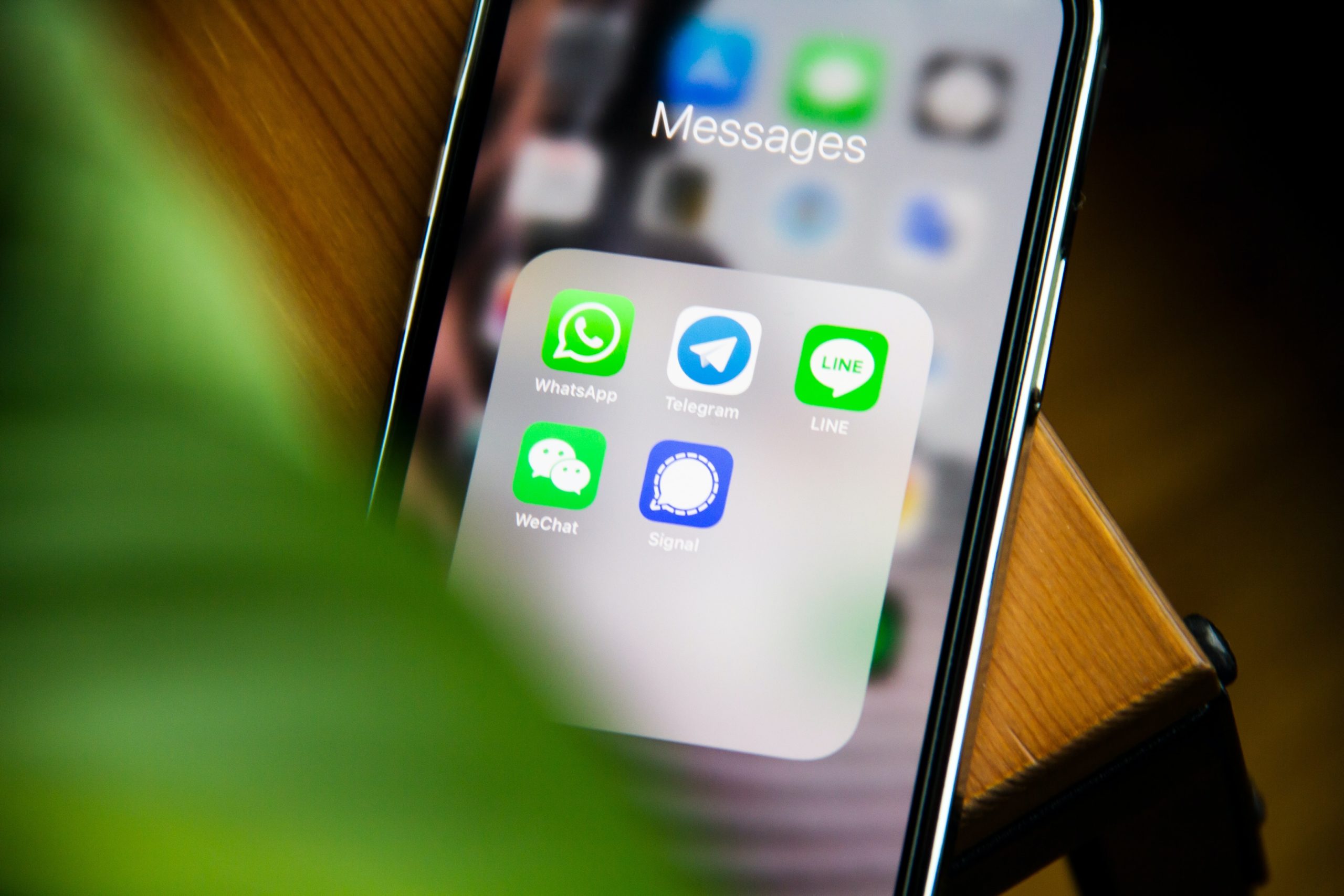
phone screen displaying messaging apps
Share on FacebookShare on Twitter

Scan text messages claiming to be from NHS Test and Trace have been circulating recently, Cornwall council warns.

The messages falsely claim that the recipient has been in close contact with someone that has tested positive for Covid and asks them to click on a link to book a test.

The texts are sent from mobile phone numbers.

Cornwall Council is advising people to “think twice before clicking any links”

“These texts can seem very genuine, but the NHS, government or Public Health Cornwall would never send messages like this from a mobile phone. The most important thing is to remember that the scammers want you to click a link. If you click the link, you could enable them to download malware, viruses or other nasties. It might also give them access to your passwords for internet banking or any other sites you access from your phone.” Elizabeth Kirk, senior trading standards officer at the council advised.


ShareTweet
Previous Post

Google doubles bug bounties

Next Post

Lessons Learned From the 2022 NPM Corruption

Recent News

malware

Huntress Uncovers ‘Vibe-Coded’ Malware Used to Map Active Directory Environments

July 8, 2026
Check Point’s ThreatCloud AI Blocked 4.6 Billion Attacks in 2025, Latest ESG Report Reveals

Check Point’s ThreatCloud AI Blocked 4.6 Billion Attacks in 2025, Latest ESG Report Reveals

July 8, 2026
Kirsty Fowler, WorkNest Secure

Next Gen Spotlights: Building a More Resilient Future – Q&A with WorkNest Secure

July 8, 2026
Mike Winston on Why Jet.AI Shifted From Aviation to AI Infrastructure

Mike Winston on Why Jet.AI Shifted From Aviation to AI Infrastructure

July 7, 2026

The IT Security Guru offers a daily news digest of all the best breaking IT security news stories first thing in the morning! Rather than you having to trawl through all the news feeds to find out what’s cooking, you can quickly get everything you need from this site!

Our Address: 10 London Mews, London, W2 1HY

Follow Us

© 2015 - 2026 IT Security Guru - Website Managed by Dessol

  • About Us
Manage Consent
To provide the best experiences, we use technologies like cookies to store and/or access device information. Consenting to these technologies will allow us to process data such as browsing behavior or unique IDs on this site. Not consenting or withdrawing consent, may adversely affect certain features and functions.
Functional Always active
The technical storage or access is strictly necessary for the legitimate purpose of enabling the use of a specific service explicitly requested by the subscriber or user, or for the sole purpose of carrying out the transmission of a communication over an electronic communications network.
Preferences
The technical storage or access is necessary for the legitimate purpose of storing preferences that are not requested by the subscriber or user.
Statistics
The technical storage or access that is used exclusively for statistical purposes. The technical storage or access that is used exclusively for anonymous statistical purposes. Without a subpoena, voluntary compliance on the part of your Internet Service Provider, or additional records from a third party, information stored or retrieved for this purpose alone cannot usually be used to identify you.
Marketing
The technical storage or access is required to create user profiles to send advertising, or to track the user on a website or across several websites for similar marketing purposes.
  • Manage options
  • Manage services
  • Manage {vendor_count} vendors
  • Read more about these purposes
View preferences
  • {title}
  • {title}
  • {title}
No Result
View All Result
  • Home
  • Features
  • Insight
  • Channel News
  • Events
    • Most Inspiring Women in Cyber 2026
  • Topics
    • Cloud Security
    • Cyber Crime
    • Cyber Warfare
    • Data Protection
    • DDoS
    • Hacking
    • Malware, Phishing and Ransomware
    • Mobile Security
    • Network Security
    • Regulation
    • Skills Gap
    • The Internet of Things
    • Threat Detection
    • AI and Machine Learning
    • Industrial Internet of Things
  • Multimedia
  • Product Reviews
  • About Us

© 2015 - 2026 IT Security Guru - Website Managed by Dessol