If you’ve ever wondered what your operator does to protect you and ensure your personally identifiable information (PII), money, and other sensitive information doesn’t fall into the wrong hands, you’ve come to the right place.

Here is a closer look at some of the main cyber security measures today’s most trusted website operators use to protect our precious digital documents, any money we store on those websites, and even the private conversations we may have with the live chat customer service support agents on those sites.
Cyber crime is constantly on the rise, which is why it is important to do everything within your power to keep yourself protected as much as possible. To begin with, that means choosing a safe site to play your favourite content.
Which Cyber Security Technologies Do Gaming Website Operators Use in 2025?
Basic research has taught a lot about the typical measures that website operators take to protect us.
When signing up to websites, whether it’s a traditional gaming website to play titles like Call of Duty or Fortnite, or an iGaming site to play feature-rich online fruit machines or classic table and card favourites like blackjack and roulette, it can be found that the trusted operator of that site will likely use the following cyber security measures to keep us safe:
- They typically use advanced Web Application Firewalls (WAFs) firewalls and content delivery networks (CDN) to mitigate large-scale cyber security threats, such as DDoS (Distributed Denial-of-Service) attacks. This clever tech also helps to filter malicious traffic and prevent other harmful digital attacks like cross-site scripting and SQL injection
- Two-Factor Authentication (2FA) or Multi-Factor Authentication (MFA) secure login features are commonly used to bolster account security and prevent unauthorised access. Casino sites like Duelz Casino or any of their other top 100 brands currently featured on the official AskGamblers UK website, have fingerprint, voice, and facial recognition log in features or OTP (one-time passcodes) as an added layer of security
- To prevent people from carrying out tracking scripts, operators today may also have anti-tracking technologies to prevent or limit third-party websites from gaining access to the cookies stored on your computer
- The website URL will always start with https:// (try to remember that the ‘s’ is important because it stands for safe/secure). For example, avoid playing on sites that only have http:// in the URL
- The most trusted operators today use advanced data encryption (e.g., 128-bit or higher) SSL (Secure Socket Layer) to protect your transactions, account details, sensitive documents, money, and other PII when stored on their site or transmitted across the web
- They will fully comply with local and international data protection and privacy policies and will only collect player data that’s absolutely necessary for the day-to-day operations
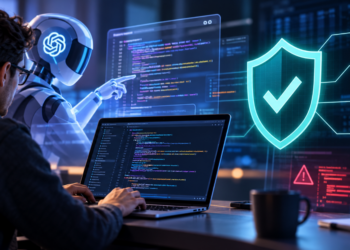
- These days, operators also use a range of Artificial intelligence applications to enhance cybersecurity for their customers. This includes account monitoring for suspicious activity and even reporting any data breaches that may occur
How Else Do Operators Protect Accounts To Ensure The Data Never Falls Into The Wrong Hands?
Most operators these days will also ask you to create a strong password when creating an account on their website, which means coming up with a strong one that can’t easily be guessed.
Many people also suggest that you never use the same password for more than one account because once a hacker has guessed that password, they will be able to access all of your other accounts with the same password.
When creating a new password, the best thing to do would be to include anywhere from 12 to 16 letters and numbers and include a few symbols.
Website operators also tend to carry out frequent security checks to fix bugs in their systems to stay one step ahead of the cyber criminals, and will frequently release the necessary updates, so always make sure you have the latest version of everything (e.g., the latest browser, app, and any other programmes required for gaming on your favourite sites).
Operators will also try to educate people like me by advising me to download updates and other content from official sources and to think twice before downloading and installing.
Some operators will also use bot management tools to identify and block bots that can manipulate in-game ecosystems and economies and disrupt gameplay, and I’ve noticed that some try to raise awareness of personal cybersecurity by advising me about phishing/malware/spyware scams and warning users to be careful of emails and links before clicking/tapping them to open them.
Typically, legally permitted casino sites in recent years, now provide a range of highly effective safer gambling tools, like session time reminders and deposit limits, which help ensure people do not overspend.
The Safety of Online Transactions
The other thing you will notice on today’s safest digital entertainment sites is that they will only ever accept secure online payment solutions, meaning deposits, purchases and withdrawals are always securely protected.
They tend to accept a range of eWallets, bank transfers, credit and debit cards and prepaid cards, and some sites also now accept cryptocurrencies, which is potentially even more secure than traditional online payment methods.