With the rapid expansion of technological advancements, there have been many great innovations across various industries that have had a positive impact on the world. However, these advancements also mean the latest technologies may not always be used for legal or ethical activities, making being online a very risky business these days.

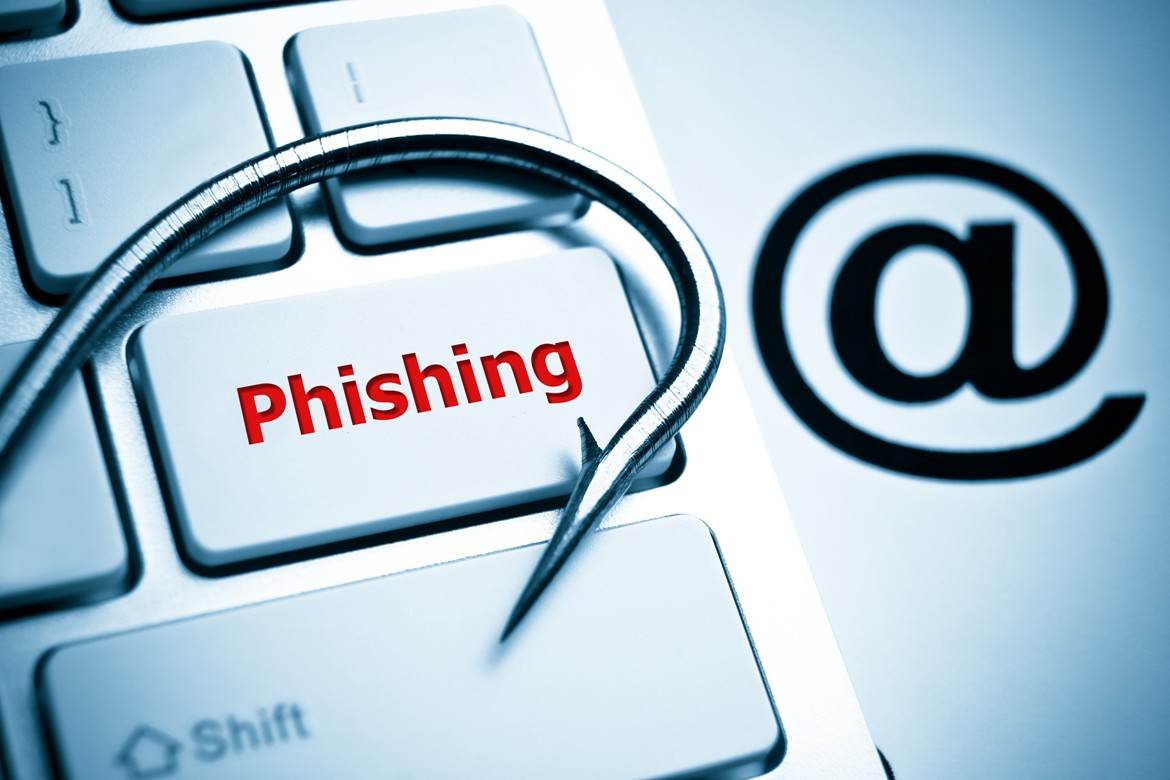
Phishing is a great example of this, with it evolving from simple email scams to more malicious and carefully thought-out attacks. As more people shift to online financial platforms or cryptocurrencies, digital wallets have become a common target for phishing scams. Not only do these scams wreak financial havoc for victims, but cause long-lasting emotional turmoil which is why it is important to protect yourself online.
A Deep Dive Into Advanced Phishing Techniques
There are a large number of ways that phishing scams can be executed, with one taking advantage of the no-KYC (Know Your Customer) crypto spaces. Essentially, a no-KYC crypto exchange does not require the same level of Know Your Customer verification processes as other crypto exchange brokers.
While this is great for user anonymity as it does not require identification, scammers target these platforms for this exact reason. Upon directing a user to such a site, they can empty their wallet without much risk of consequence as it is difficult to track their funds once it has been moved.
Another alarming scam is voice cloning and deep fakes, which, with phishing, are mainly used for impersonation to make it easier to steal. With how advanced technology has become, these impersonations are extremely accurate and convincing, creating the perfect set-up for scammers to trick individuals into transferring money. For example, they may target users who are not as tech-savvy, posing as someone from their bank or as a family member, asking for a deposit.
Malware is another means for scammers to gather personal information, or gain access to your digital wallet. Through the use of malicious browser extensions, scammers can replace your wallet address with one they control so your transactions are redirected.
Malware, in general, puts your private keys and seed phrases out in the open, making it that much easier for scammers to quickly steal it. Additionally, phishing can also be done through QR codes, which is known as “Quishing”, which entails scanning a QR that leads to malicious sites or triggers an unauthorized payment.
Look Out For Red Flags: How to Spot a Phishing Scam
One of the most common phishing tactics is scammers presenting users with a time-sensitive request, fully intending to cause panic. Sometimes these are quite obvious, coming in the form of an email regarding a package you never ordered. And other times, they are more complex, presenting as an urgent bill you need to pay, or any other convincing alternative wherein your sensitive information is stored.
Usually, however, this is just a means to create a panicked reaction large enough that it will create a momentary vulnerability they can easily prey on. Furthermore, attackers can also create duplicate websites, usually mimicking online shopping or platforms where you store your payment details.
At times, they go as far as mimicking legitimate websites by creating malicious versions of the site’s link. Therefore, verifying a website’s legitimacy is important, especially if it’s one you have never used before!
Furthermore, scammers may also try to contact you via social media or SMS, so being wary of any unsolicited communication coming your way is important. And lastly, utilizing metadata is a great way to verify something when you are suspicious it may be a scam including digital signatures, for one.
How to Fortify Your Digital Defenses
While this all may put you off of using the internet, there are just as many ways to protect yourself from phishing while online. For example, perhaps consider using a hardware wallet which is a physical device (similar to a USB) where you can store your digital assets such as cryptocurrencies.
This would be considered a form of cold storage and is a great way to not only maintain your assets long-term but also protect them from cyber threats. Another option is to take full advantage of multi-factor authentication (especially biometrics) on all your devices and accounts that allow for it. This adds a second layer of security that could put a damper on a scammer’s attempts at breaching your assets.
In addition, keeping up to date with your security patches and updates is a crucial part of staying safe online, which bleeds into using reputable software. Secure browsers, vetting browser extensions, and VPNs are other ways to not only protect your online presence but also remove you from the sights of scammers.
Of course, more obvious steps include verifying sources, utilizing strong password managers, and keeping up to date on cyber threat-related news. Remaining educated on the topic, and aware of how each phishing scam works is a layer of protection within itself.
However, if you are breached, make sure to take action as soon as possible as every second counts. Make sure to report the incident to the relevant authorities, whether that be law enforcement or site regulators, and do so immediately. Furthermore, changing your passwords and freezing your accounts are also great ways to shut down a scam in its tracks.