Online gaming is fun, convenient and rich in spectacular rewards but protecting your personal data is a necessity. By being cautious and opting for reputable sites, you can enjoy secure and safe digital play every time you start playing.

As more gamers seek excitement from online casinos, never has the importance of cybersecurity been more evident. Today’s highest-quality online casinos offer ultimate convenience, yet a sophisticated user is also aware of the importance of data protection. Choosing legitimate casinos and reading some basic digital etiquette means gamers can relish the thrill of games for real money to its fullest extent without concern.
Why Cybersecurity Matters in the World of Online Casinos
Online gaming sites are guardians of sensitive user data, including personal details, payments and sign-on passwords. As more and more gamers play on mobile apps and websites, cybersecurity must be a top concern for sites and players. Here’s the good news: legitimate, authorised casinos have implemented strict security protocols to protect their membership.
They include SSL encryption, secure gateways for entering payments, data anonymisation, and firewalls that all work together to keep your data personal and safe. As you’re spinning slots, placing wagers, or exploring promotion opportunities like a vegasslotsonline no deposit bonus, you desire the peace of mind that your link is secure and your account is safe. And the great thing is, most legitimate sites take these precautions seriously, which means you can have a good time without unnecessary risk.
However, it’s not entirely the platform’s fault; users must also be vigilant. Using good passwords, avoiding suspicious links, and verifying the licensure of the casino can prevent you from facing a world of trouble.
Choosing Licensed and Secure Online Casino Sites
The initial step to playing safely is to pick a regulated and licensed online casino. Official licensure issued by regulators such as the UK Gambling Commission, Malta Gaming Authority, or state-based gambling commisions evaluates the casino for tough security and fairness requirements. Such regulators continually audit, insist on transparency and look for user protection policies.
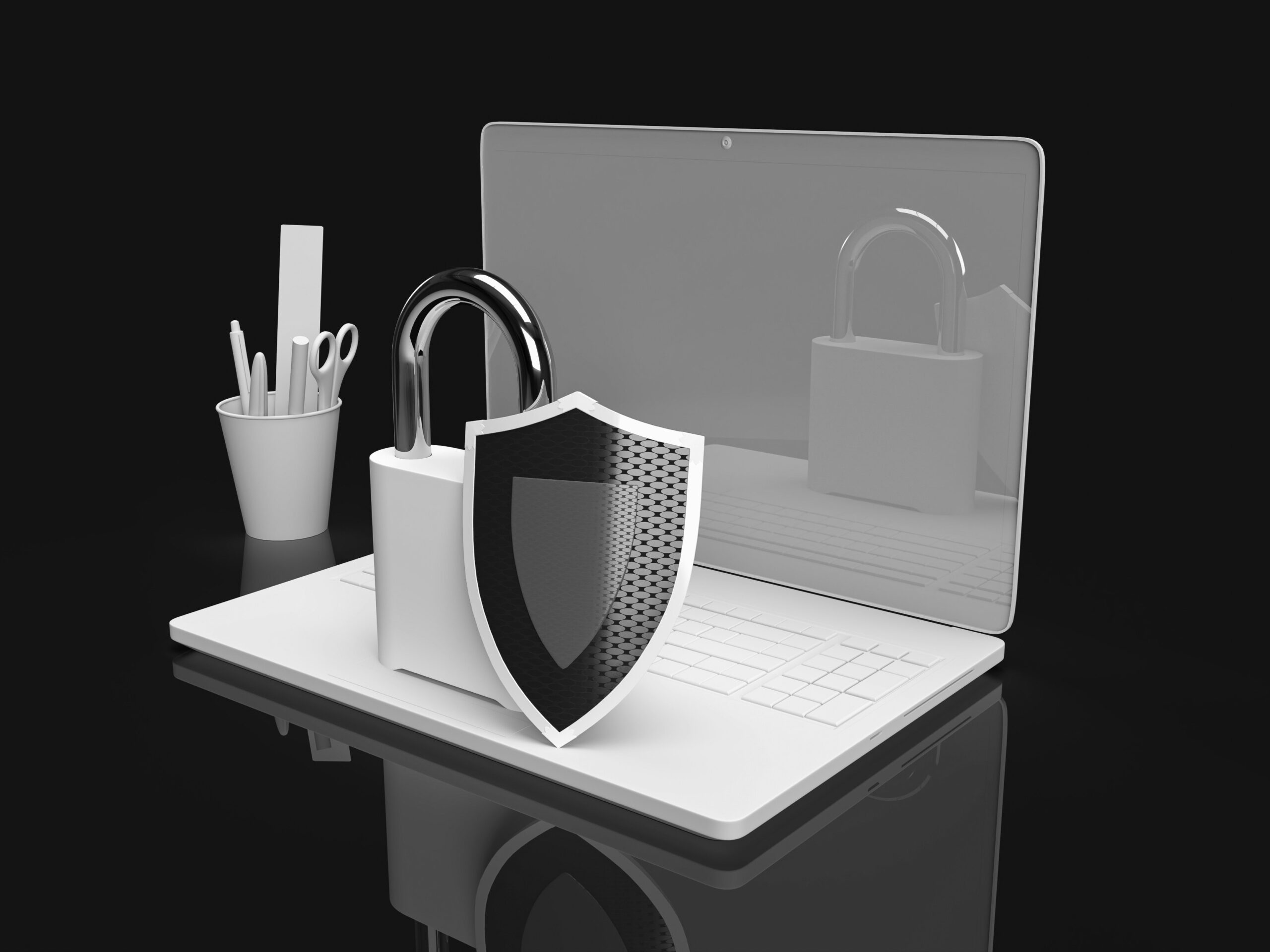
A legitimate site will prominently display its licensing information in the footer or “About Us” section. You should also search for SSL encryption, typically indicated by a padlock icon in the browser bar. This encryption allows all data transferred between your computer and the casino’s servers to be secure and not intelligible to outsiders.
Search for sites that present comprehensive privacy policies, responsible gaming features, and 24/7 customer assistance. These are all signs of a reputable site that’s concerned about its players. Stay away from unregulated casinos that don’t list their licensure details or have generic terms, these can be warning signs for security and fairness.
Protecting Your Personal and Financial Information
When you register at an internet casino, you need to provide personal and financial details. Make sure you are on a legitimate, secure website before you provide the details. Don’t register or gamble on public Wi-Fi and never save your password or credit card number on a shared computer.
Choose sites that accommodate safe payment sources, such as Visa, Mastercard, PayPal, or wallets with extra protection. Prepaid cards and cryptocurrencies are also on the rise, mainly for users who want more control of their data.
Once you establish your account, be certain to frequently review your history of transactions. Most sites contain easily viewed records that enable you to double-check that no illegal activity took place. Set up alerts or notifications of deposits and withdrawals, if at all possible; this way, you’ll be informed of potential strange behaviour immediately.
Using Strong Passwords and Two-Factor Authentication
It may be a no-brainer, but your password is your initial line of defense. Don’t resort to popular choices like “123456,” your name, or the word “password.” Instead, create a tough-to-guess string of characters, numbers and characters that would be hard for anyone to guess.
As an added precaution, turn on two-factor authentication (2FA) if the casino offers it. This requires you to be asked for a code that you receive on your cell phone or by email in addition to your standard login details. Even in the unlikely situation that someone does get your password, they’ll not be able to access your account without that second verification step.
You should also refrain from having the same password for several sites. A hack on a single website irrespective of whether it’s associated with casinos at all, may affect your overall online presence. You can benefit from password managers for handling distinct, robust passwords for each of your accounts.
Staying Current With Software, Hardware and Safer Computing Practice
Keeping your devices up to date is also an essential type of cybersecurity. Software updates often include security patches that fix vulnerabilities hackers might try to exploit. Be sure to keep your browser, antivirus program and mobile operating system up to date at all times.
Never download casino software from third-party sources only download via reputable app stores like Google Play or the Apple App Store. Third-party programs are not held to the same standard of security evaluation and can be more likely to be infected with malware or spyware.
It’s also a good idea to be careful around advertising emails or messages you don’t recognise. As you would expect, legitimate casinos, of course, send advertising emails, but a message requesting your login or banking information should be cause for suspicion. In case of doubt, access your account through the main website by logging in directly rather than clicking on links contained in an email.