Eskenzi PR ad banner Eskenzi PR ad banner
  • About Us
Thursday, 4 June, 2026
IT Security Guru
Eskenzi PR banner
  • Home
  • Features
  • Insight
  • Channel News
  • Events
    • Most Inspiring Women in Cyber 2026
  • Topics
    • Cloud Security
    • Cyber Crime
    • Cyber Warfare
    • Data Protection
    • DDoS
    • Hacking
    • Malware, Phishing and Ransomware
    • Mobile Security
    • Network Security
    • Regulation
    • Skills Gap
    • The Internet of Things
    • Threat Detection
    • AI and Machine Learning
    • Industrial Internet of Things
  • Multimedia
  • Product Reviews
  • About Us
No Result
View All Result
  • Home
  • Features
  • Insight
  • Channel News
  • Events
    • Most Inspiring Women in Cyber 2026
  • Topics
    • Cloud Security
    • Cyber Crime
    • Cyber Warfare
    • Data Protection
    • DDoS
    • Hacking
    • Malware, Phishing and Ransomware
    • Mobile Security
    • Network Security
    • Regulation
    • Skills Gap
    • The Internet of Things
    • Threat Detection
    • AI and Machine Learning
    • Industrial Internet of Things
  • Multimedia
  • Product Reviews
  • About Us
No Result
View All Result
IT Security Guru
No Result
View All Result

Global survey reveals that most people are ill equipped to deal with ransomware

by The Gurus
May 19, 2017
in Editor's News
Share on FacebookShare on Twitter

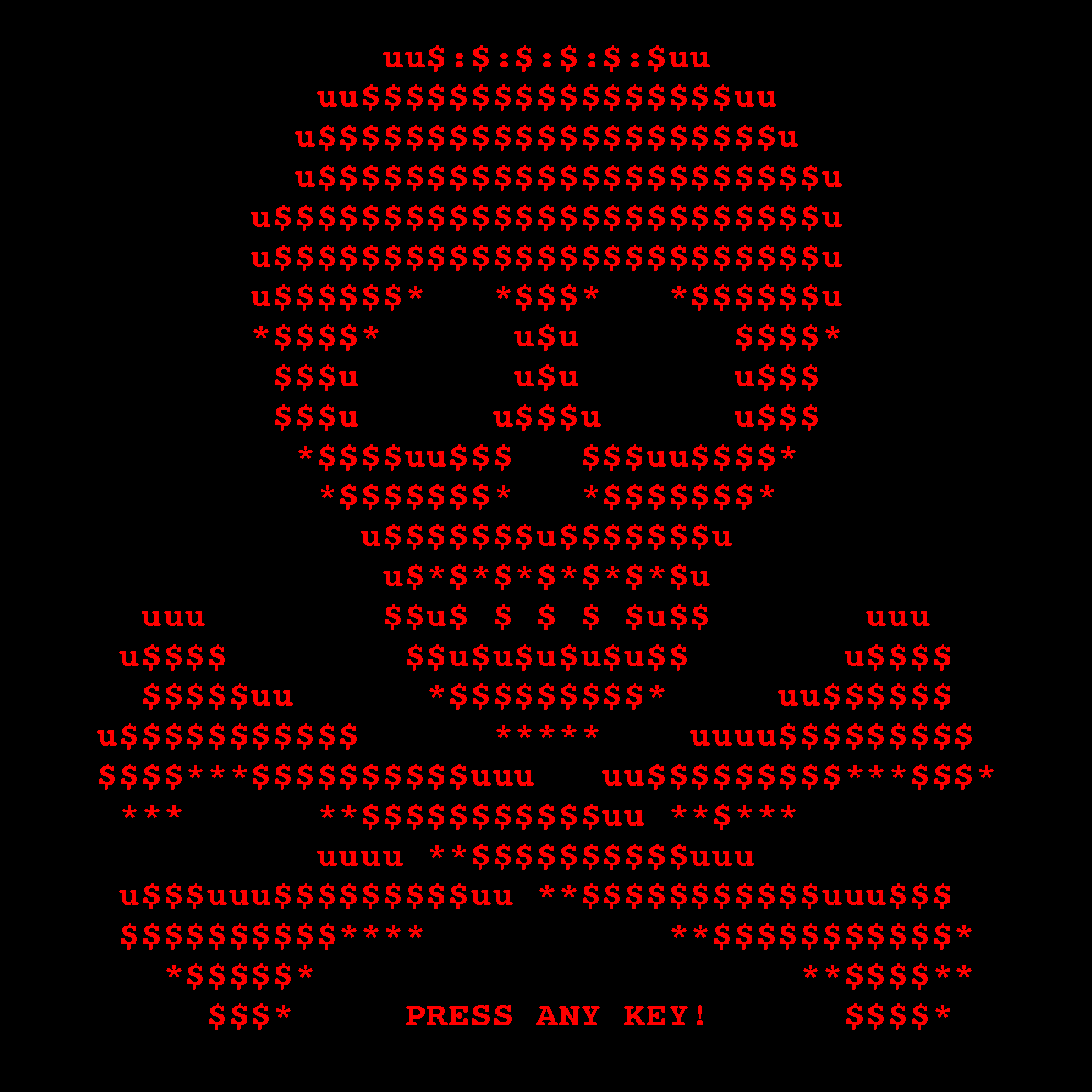
Friday’s ransomware attack, which affected 200,000 computer systems in 150 countries and crippled hospitals across the United Kingdom, is a frightening reminder of how much damage can be done by this type of malicious cyberattack. A new global survey of Internet users in 23 countries and Hong Kong (China) reveals that most people are ill equipped to deal with ransomware.
“It is simply unacceptable that people do not get the care they need because of cybercriminals attacking hospitals. We have a shared responsibility to collaboratively get this under control,” says Kathy Brown, President and Chief Executive Officer of the Internet Society (ISOC) which helped to fund the survey. “Law enforcement, IT professionals, consumers, business, and the public sector all have responsibility to act to keep enabling the good that the Internet brings.”
According to the joint CIGI, ISOC and UNCTAD Global Survey on Internet Security and Trust, conducted by global research company Ipsos, before the latest attack, 6 per cent of Internet users globally had already been personally affected by ransomware, with Internet users in India, Indonesia, China and the United States the most likely to be affected. An additional 11 per cent knew someone who has been hit by these malicious programs.
“Cyber thieves now operate on a global scale, as the most recent attack illustrates, and just about anybody can launch a ransomware attack,” says Fen Osler Hampson, Distinguished Fellow and Director of Global Security at CIGI. “Ransomware attackers have discovered that they don’t have to steal or destroy your data to enrich themselves, they just have to hold it hostage. Our survey data shows that many people are willing to pay to get their data back, which makes such attacks highly profitable.”
People remain largely unprepared for this new form of cyberattack, which encrypts their data and renders it inaccessible until they pay a ransom. Twenty-four percent of people admit they would have no idea what to do if their computer were to be hit with ransomware.
Many would turn to the authorities: 22 per cent would contact law enforcement, 15 per cent would contact their Internet Service Provider and 9 per cent would contact a private firm to try to retrieve their data. Unfortunately, the authorities are often unable to help. Once the data is locked, it is extraordinarily difficult to retrieve without either paying the ransom or restoring the files from a backup.
Here again, Internet users are woefully unprepared. Only 16 per cent of people globally indicate that they would retrieve their data from a backup.
Among those who had been affected by ransomware, 41 per cent said they had paid to have their device unlocked. Among those affected who did not pay the ransom, 45 per cent refused to pay, claiming that it is not right to pay criminals.
In any event, there remains some honour among thieves, as 91 per cent of Internet users who paid the ransom indicated that their device had subsequently been unlocked. Internet users in North America (10%) and Europe (15%) were the least likely to have their devices unlocked after they paid the ransom.
“The evolution of cybercrime has a negative impact on the willingness among people and enterprises to use the Internet for e-commerce and other productive activities,” says Torbjörn Fredriksson, Chief of ICT Analysis Section at the UN Conference on Trade and Development (UNCTAD) which helped to fund the survey. “This underlines the importance of legal and regulatory responses that include criminalizing conduct, enhancing law enforcement powers and putting in place cybersecurity frameworks that include prevention and permit active defense.”
About the Global Survey on Internet Security and Trust
The survey of 24,225 Internet users was conducted by global research company Ipsos, on behalf of the Centre for International Governance Innovation (CIGI) in collaboration with the Internet Society (ISOC) and the United Nations Conference on Trade and Development (UNCTAD) between December 23, 2016, and March 21, 2017. The survey was conducted in 24 countries—Australia, Brazil, Canada, China, Egypt, France, Germany, Hong Kong (China), India, Indonesia, Italy, Japan, Kenya, Mexico, Nigeria, Pakistan, Poland, Republic of Korea, South Africa, Sweden, Tunisia, Turkey, United Kingdom and the United States.

Tags: CyberInternetRansomwaresecurityTechnology
ShareTweet
Previous Post

100% of European Political Parties with upcoming elections have left themselves and voters open to email-based cyberattacks

Next Post

Samsung Pay Now Available to UK Visa Cardholders

Recent News

Nagomi Control Brings CTEM Into Action

IT Security Guru picks for Infosecurity Europe 2026

June 1, 2026
Nine in Ten Security Leaders Concerned About AI-Generated Code Risks as Salt Security Launches New Governance Tool

Nine in Ten Security Leaders Concerned About AI-Generated Code Risks as Salt Security Launches New Governance Tool

June 1, 2026
Acumen Cyber and AttackIQ Partner to Strengthen Cyber Defense Validation

Acumen Cyber and AttackIQ Partner to Strengthen Cyber Defense Validation

May 29, 2026
Check Point Launches AI Agents That Think Like Attackers as Autonomous Exploitation Reaches Critical Threat Level

Check Point Launches AI Agents That Think Like Attackers as Autonomous Exploitation Reaches Critical Threat Level

May 28, 2026

The IT Security Guru offers a daily news digest of all the best breaking IT security news stories first thing in the morning! Rather than you having to trawl through all the news feeds to find out what’s cooking, you can quickly get everything you need from this site!

Our Address: 10 London Mews, London, W2 1HY

Follow Us

© 2015 - 2024 IT Security Guru - Website Managed by Dessol

  • About Us
Manage Consent
To provide the best experiences, we use technologies like cookies to store and/or access device information. Consenting to these technologies will allow us to process data such as browsing behavior or unique IDs on this site. Not consenting or withdrawing consent, may adversely affect certain features and functions.
Functional Always active
The technical storage or access is strictly necessary for the legitimate purpose of enabling the use of a specific service explicitly requested by the subscriber or user, or for the sole purpose of carrying out the transmission of a communication over an electronic communications network.
Preferences
The technical storage or access is necessary for the legitimate purpose of storing preferences that are not requested by the subscriber or user.
Statistics
The technical storage or access that is used exclusively for statistical purposes. The technical storage or access that is used exclusively for anonymous statistical purposes. Without a subpoena, voluntary compliance on the part of your Internet Service Provider, or additional records from a third party, information stored or retrieved for this purpose alone cannot usually be used to identify you.
Marketing
The technical storage or access is required to create user profiles to send advertising, or to track the user on a website or across several websites for similar marketing purposes.
  • Manage options
  • Manage services
  • Manage {vendor_count} vendors
  • Read more about these purposes
View preferences
  • {title}
  • {title}
  • {title}
No Result
View All Result
  • Home
  • Features
  • Insight
  • Channel News
  • Events
    • Most Inspiring Women in Cyber 2026
  • Topics
    • Cloud Security
    • Cyber Crime
    • Cyber Warfare
    • Data Protection
    • DDoS
    • Hacking
    • Malware, Phishing and Ransomware
    • Mobile Security
    • Network Security
    • Regulation
    • Skills Gap
    • The Internet of Things
    • Threat Detection
    • AI and Machine Learning
    • Industrial Internet of Things
  • Multimedia
  • Product Reviews
  • About Us

© 2015 - 2024 IT Security Guru - Website Managed by Dessol