International Cyber Expo International Cyber Expo
  • About Us
Tuesday, 21 July, 2026
IT Security Guru
International Cyber Expo
  • Home
  • Features
  • Insight
  • Channel News
  • Events
    • Most Inspiring Women in Cyber 2026
  • Topics
    • Cloud Security
    • Cyber Crime
    • Cyber Warfare
    • Data Protection
    • DDoS
    • Hacking
    • Malware, Phishing and Ransomware
    • Mobile Security
    • Network Security
    • Regulation
    • Skills Gap
    • The Internet of Things
    • Threat Detection
    • AI and Machine Learning
    • Industrial Internet of Things
  • Multimedia
  • Product Reviews
  • About Us
No Result
View All Result
  • Home
  • Features
  • Insight
  • Channel News
  • Events
    • Most Inspiring Women in Cyber 2026
  • Topics
    • Cloud Security
    • Cyber Crime
    • Cyber Warfare
    • Data Protection
    • DDoS
    • Hacking
    • Malware, Phishing and Ransomware
    • Mobile Security
    • Network Security
    • Regulation
    • Skills Gap
    • The Internet of Things
    • Threat Detection
    • AI and Machine Learning
    • Industrial Internet of Things
  • Multimedia
  • Product Reviews
  • About Us
No Result
View All Result
IT Security Guru
No Result
View All Result

WannaCry ransomware attack: How UK businesses can stay protected online

by The Gurus
May 22, 2017
in Editor's News
ransomware
Share on FacebookShare on Twitter

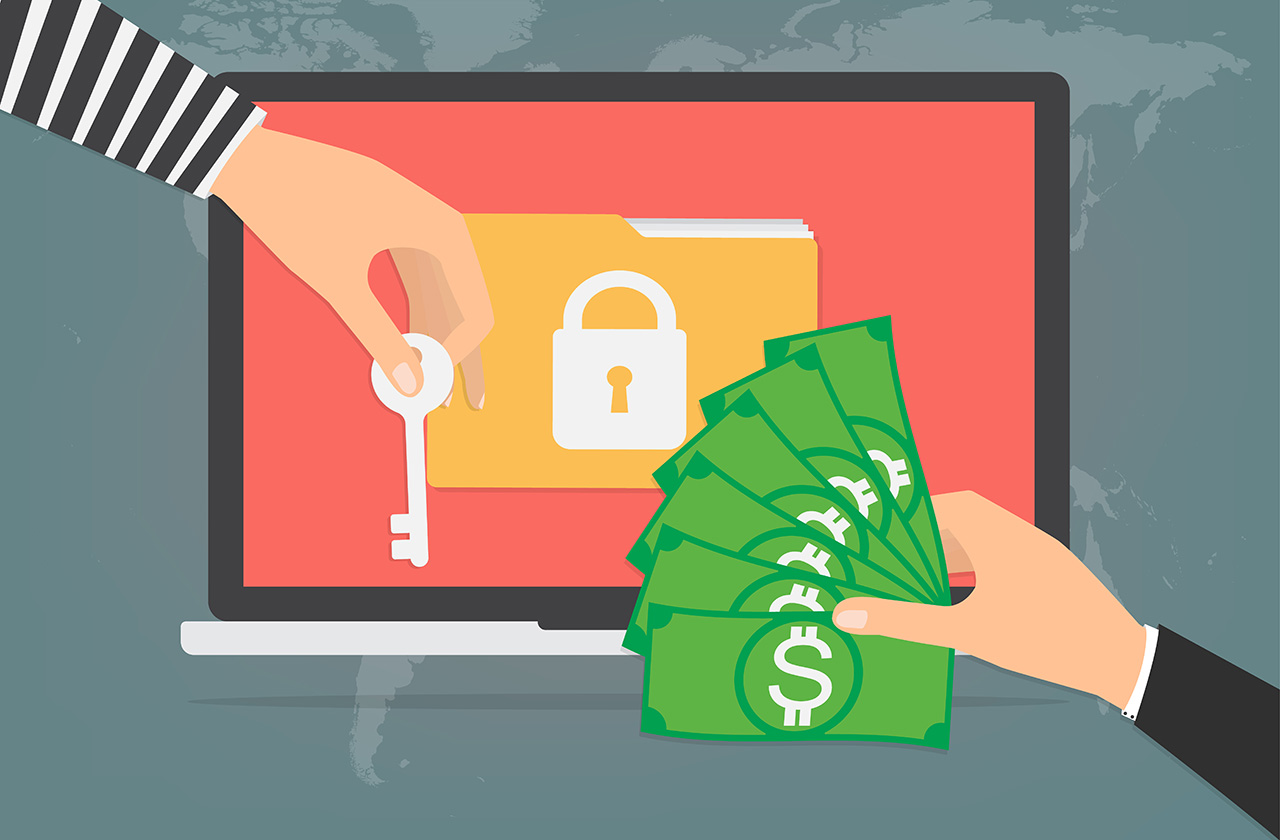
Earlier this month, businesses and organisations of all sizes from around the world were hit by a large-scale cyber attack, known as WannaCry, leaving them unable to access systems and data. The attack continued to affect companies over the days that have followed.
WannaCry is a form of ransomware, meaning it is a computer virus which encrypts files and keeps them encrypted until the hacker receives payment. WannaCry takes advantage of vulnerabilities in old Microsoft Windows systems, leaving anyone without the latest version in jeopardy.
So far, WannaCry has infected over 230,000 computers in 150 different countries. High-profile victims include the UK’s National Health Service (NHS), which was forced to turn away patients at several trusts, as well as Spanish telecoms company Telefónica and courier service FedEx.
With this in mind, Ebuyer has developed some top tips for businesses to follow to keep safe from online ransomware:

  1. IT managers and directors should be taking regular steps to ensure their network is secure and all security software is up to date.


  1. Gateway security (a machine through which data packets flow) should be employed and next-generation firewalls installed to allow for deep-packet inspection – a form of computer network packet filtering that examines data as it passes an inspection point. This will help identify hidden threats passing into your network.


  1. Implement internal monitoring and endpoint protection; a methodology of protecting corporate networks when accessed via remote devices such as laptops or other wireless and mobile devices. This will prevent malicious files from gaining access to the network by human error.


  1. It is essential that a reliable and thoroughly tested backup solution be put in place. This should be segregated from the rest of the network to prevent malware from spreading to it once infected.


  1. Ensure systems are up to date and supported for exploit patches.

New data protection laws are coming into play in May 2018 which will replace the current Data Protection Act (DPA) with the General Data Protection Regulation (GDPR).
Businesses need to ensure that their systems are fully protected in order to minimise the risk of breaches. Protecting malware from gaining access is also essential for any company which relies on its network or software to run its service.
Paul Lyon IT Director at Ebuyer said: “The cyber attacks on the NHS and the resulting fallout have once again brought into focus the importance of security both at home and in the office. Ransomware has been around for some time but this is by far the most high-profile attack.
“Cybercrime is a growing industry and criminals are becoming significantly more sophisticated and their attacks more destructive. New threats are constantly being developed. Businesses of all sizes, as well as the ordinary home user, are vulnerable to attacks and should always be on their guard.”
To find out more about ransomware and how you can protect yourself, please visit: http://www.ebuyer.com/blog/2017/05/ransomware-and-how-you-can-protect-yourself/


Tags: CyberMalwareRansomwaresecurityTechnology
ShareTweet
Previous Post

One third of executives have blockchain on their mind

Next Post

WannaCry? Not really. A report from the 11th Eskenzi PR IT Analyst and CISO Forum

Recent News

What Does the Cyber Industry Want to See From the New UK Government?

What Does the Cyber Industry Want to See From the New UK Government?

July 20, 2026
Purple Logo, capitalised letters: SALT.

Salt Security tackles AI governance challenge with 100 pre-built agentic security policies

July 20, 2026
New Continuous Runtime Security Validation service aims to strengthen fintech cyber resilience

New Continuous Runtime Security Validation service aims to strengthen fintech cyber resilience

July 20, 2026
Scams Now Drive Almost Half of All Malware Detections as Attackers Weaponise Everyday Trust

Scams Now Drive Almost Half of All Malware Detections as Attackers Weaponise Everyday Trust

July 20, 2026

Eskenzi PR banner ad

The IT Security Guru offers a daily news digest of all the best breaking IT security news stories first thing in the morning! Rather than you having to trawl through all the news feeds to find out what’s cooking, you can quickly get everything you need from this site!

Our Address: 10 London Mews, London, W2 1HY

Follow Us

© 2015 - 2026 IT Security Guru - Website Managed by Dessol

  • About Us
Manage Consent
To provide the best experiences, we use technologies like cookies to store and/or access device information. Consenting to these technologies will allow us to process data such as browsing behavior or unique IDs on this site. Not consenting or withdrawing consent, may adversely affect certain features and functions.
Functional Always active
The technical storage or access is strictly necessary for the legitimate purpose of enabling the use of a specific service explicitly requested by the subscriber or user, or for the sole purpose of carrying out the transmission of a communication over an electronic communications network.
Preferences
The technical storage or access is necessary for the legitimate purpose of storing preferences that are not requested by the subscriber or user.
Statistics
The technical storage or access that is used exclusively for statistical purposes. The technical storage or access that is used exclusively for anonymous statistical purposes. Without a subpoena, voluntary compliance on the part of your Internet Service Provider, or additional records from a third party, information stored or retrieved for this purpose alone cannot usually be used to identify you.
Marketing
The technical storage or access is required to create user profiles to send advertising, or to track the user on a website or across several websites for similar marketing purposes.
  • Manage options
  • Manage services
  • Manage {vendor_count} vendors
  • Read more about these purposes
View preferences
  • {title}
  • {title}
  • {title}
No Result
View All Result
  • Home
  • Features
  • Insight
  • Channel News
  • Events
    • Most Inspiring Women in Cyber 2026
  • Topics
    • Cloud Security
    • Cyber Crime
    • Cyber Warfare
    • Data Protection
    • DDoS
    • Hacking
    • Malware, Phishing and Ransomware
    • Mobile Security
    • Network Security
    • Regulation
    • Skills Gap
    • The Internet of Things
    • Threat Detection
    • AI and Machine Learning
    • Industrial Internet of Things
  • Multimedia
  • Product Reviews
  • About Us

© 2015 - 2026 IT Security Guru - Website Managed by Dessol