International Cyber Expo International Cyber Expo
  • About Us
Monday, 13 July, 2026
IT Security Guru
International Cyber Expo
  • Home
  • Features
  • Insight
  • Channel News
  • Events
    • Most Inspiring Women in Cyber 2026
  • Topics
    • Cloud Security
    • Cyber Crime
    • Cyber Warfare
    • Data Protection
    • DDoS
    • Hacking
    • Malware, Phishing and Ransomware
    • Mobile Security
    • Network Security
    • Regulation
    • Skills Gap
    • The Internet of Things
    • Threat Detection
    • AI and Machine Learning
    • Industrial Internet of Things
  • Multimedia
  • Product Reviews
  • About Us
No Result
View All Result
  • Home
  • Features
  • Insight
  • Channel News
  • Events
    • Most Inspiring Women in Cyber 2026
  • Topics
    • Cloud Security
    • Cyber Crime
    • Cyber Warfare
    • Data Protection
    • DDoS
    • Hacking
    • Malware, Phishing and Ransomware
    • Mobile Security
    • Network Security
    • Regulation
    • Skills Gap
    • The Internet of Things
    • Threat Detection
    • AI and Machine Learning
    • Industrial Internet of Things
  • Multimedia
  • Product Reviews
  • About Us
No Result
View All Result
IT Security Guru
No Result
View All Result

Learning the lessons from cyber attacks

by The Gurus
June 23, 2017
in This Week's Gurus
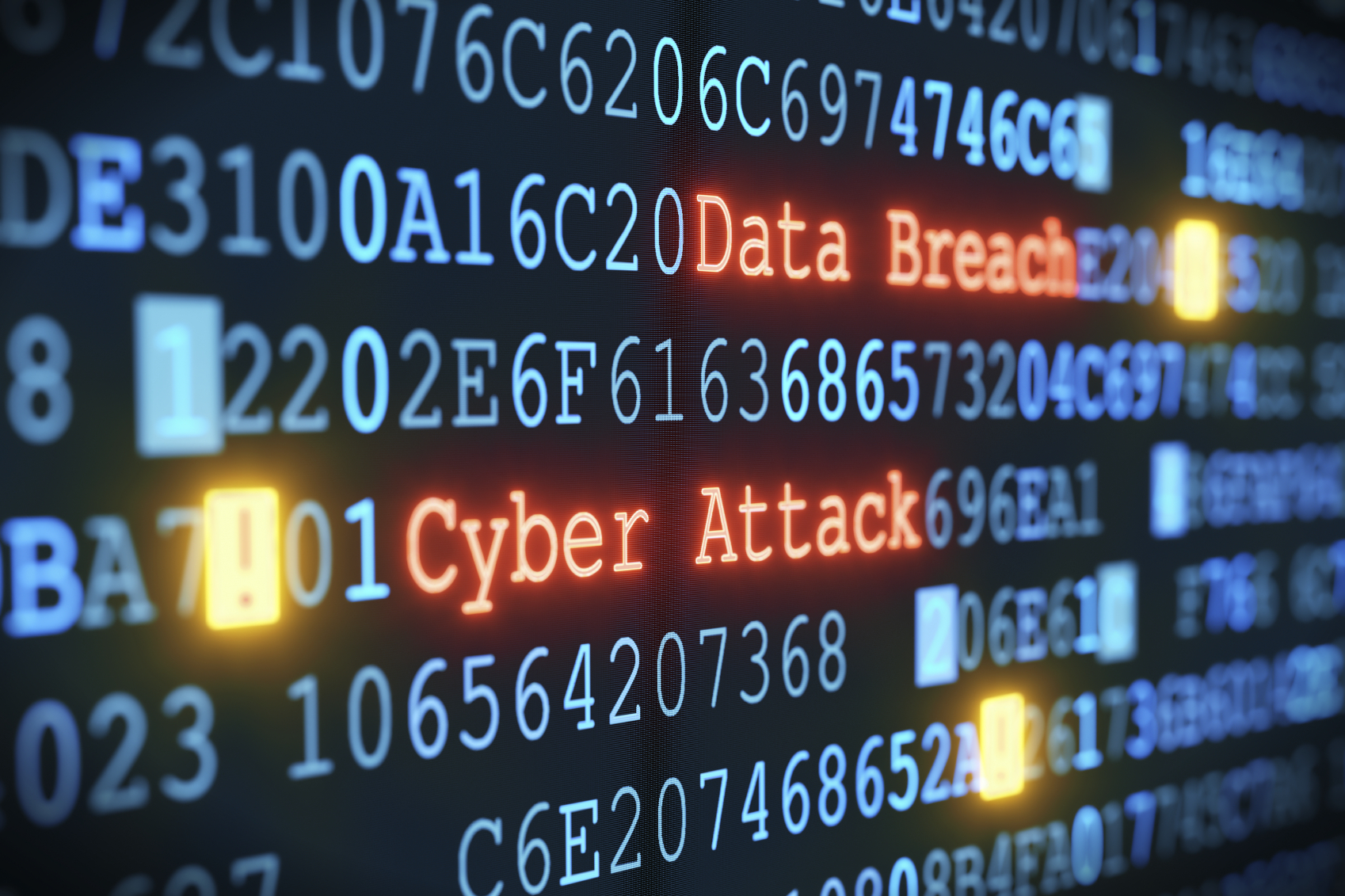
Data Breach Cyber attack code
Share on FacebookShare on Twitter

Cybercriminals have been known to target businesses across all sectors. Recent high-profile cyber attacks have successfully breached well-known brands including telecoms providers, retailers and banks. Evidently, all industries are potentially vulnerable. As businesses become ever more negatively affected by cyber attacks, lessons need to be learnt and effective cyber defences implemented in order to protect businesses and their customers.
The problem is, this is easy to say, but much harder to do. Businesses of all sizes will find it a struggle to minimise and ultimately block the myriad of cyber threats they face. Some breaches occur due to bad practice and poor security; however in other cases, organisations with even the most robust security defences may face so many threats that some slip through the cracks.
When a business is successfully breached and customer data is exposed, the consequences can be severe. Recently, a national telecommunications company was fined £400,000 by the UK regulator following a large-scale breach that compromised a vast amount of customers’ data. The attacker was able to access the personal data of 156,959 customers including their names, addresses, dates of birth, phone numbers and email addresses. Evidently, these breaches can be serious with businesses and their customers susceptible to substantial financial and reputational damage.
The Role of the Deep & Dark Web
We know cybercriminals make use of the Deep & Dark Web in order to conduct their illegal activities. Earlier this year, it was reported that gamers were put at risk of having their private information sold on the dark web following a data breach involving 2.5 million accounts. Effective cyber defences need to include monitoring and understanding of the dark web. Without it, a business is trying to defend itself whilst blindfolded and with its arms tied behind its back.
Our research shows that cybercriminals are using the dark web to buy and sell fraudulent gift cards. This type of crime has grown substantially over the last several years because it can yield significant financial rewards at a relatively low risk for criminals.
Cybercriminals’ continued interest in gift card fraud aligns with a common practice among many gift card issuers: the prioritisation of user experience and profits over security. Unlike bank-issued credit and debit cards, gift cards are not held to strict anti-fraud standards, which means that many gift cards may lack common-yet-effective security features aimed to help combat fraud. This is just one example of criminal profiteering using the Deep & Dark Web.
Attaining Effective Cyber Defence
Effective cyber defence requires barriers that deter cybercriminals alongside effective risk intelligence. In the high stakes world of commercial cybersecurity, prevention is better than cure. As previously stated, any breach or cyber compromise has the potential to result in substantial reputational and financial consequences. The recent case of the telecoms company serves as a case in point — the company’s share price plummeted after the attack and still hasn’t recovered fully.
Businesses need to prioritise cybersecurity and make sure it is a C-Suite issue that is taken seriously by all departments and employees across the entire business. The weakest link in the defence is most often what will be exploited by criminals. As such, businesses need to ensure staff are trained so they don’t create a gateway for criminals. Furthermore, cybersecurity infrastructure needs to be updated and invested in to help businesses detect and mitigate cyber threats more accurately and effectively.
The latest cyber attacks once again shine the spotlight on cybercrime. It is an issue that affects companies of all sizes and from all sectors. Even countries are affected by it. It is a truly global challenge.
Above all else, it is crucial for businesses to focus on what they can control. Having effective insight and intelligence about relevant threats, investing in technology and people, providing training for staff on cybersecurity, and prioritising defence from the most senior staff through to the most junior is essential. Failure to take action will only make your business more vulnerable to compromise. These are the lessons businesses must learn from the latest high-profile cyber-attacks.
 
Written by Vitali Kremez, Director of Research, Flashpoint

Tags: BreachCyber Attackcyber defencecybercrimecybersecurityDark Web
ShareTweet
Previous Post

Local authorities need data system refresh within 18 months

Next Post

A Quantum Encryption Solution is Here!

Recent News

UK Cyber Attacks Climb 34% as Ransomware Leadership Shifts, Check Point Research Reveals

July 13, 2026
Cyber Shield

UK Government Unveils AI Powered Cyber Shield to Strengthen National Cyber Defense

July 10, 2026
KnowBe4 phishing by industry

Healthcare, Hospitality and Construction Named UK’s Most Phishing-Prone Industries

July 10, 2026
hand typing on keyboard

CitrixBleed 2 exploited in repeatable attack chain culminating in DragonForce ransomware, researchers find

July 9, 2026

The IT Security Guru offers a daily news digest of all the best breaking IT security news stories first thing in the morning! Rather than you having to trawl through all the news feeds to find out what’s cooking, you can quickly get everything you need from this site!

Our Address: 10 London Mews, London, W2 1HY

Follow Us

© 2015 - 2026 IT Security Guru - Website Managed by Dessol

  • About Us
Manage Consent
To provide the best experiences, we use technologies like cookies to store and/or access device information. Consenting to these technologies will allow us to process data such as browsing behavior or unique IDs on this site. Not consenting or withdrawing consent, may adversely affect certain features and functions.
Functional Always active
The technical storage or access is strictly necessary for the legitimate purpose of enabling the use of a specific service explicitly requested by the subscriber or user, or for the sole purpose of carrying out the transmission of a communication over an electronic communications network.
Preferences
The technical storage or access is necessary for the legitimate purpose of storing preferences that are not requested by the subscriber or user.
Statistics
The technical storage or access that is used exclusively for statistical purposes. The technical storage or access that is used exclusively for anonymous statistical purposes. Without a subpoena, voluntary compliance on the part of your Internet Service Provider, or additional records from a third party, information stored or retrieved for this purpose alone cannot usually be used to identify you.
Marketing
The technical storage or access is required to create user profiles to send advertising, or to track the user on a website or across several websites for similar marketing purposes.
  • Manage options
  • Manage services
  • Manage {vendor_count} vendors
  • Read more about these purposes
View preferences
  • {title}
  • {title}
  • {title}
No Result
View All Result
  • Home
  • Features
  • Insight
  • Channel News
  • Events
    • Most Inspiring Women in Cyber 2026
  • Topics
    • Cloud Security
    • Cyber Crime
    • Cyber Warfare
    • Data Protection
    • DDoS
    • Hacking
    • Malware, Phishing and Ransomware
    • Mobile Security
    • Network Security
    • Regulation
    • Skills Gap
    • The Internet of Things
    • Threat Detection
    • AI and Machine Learning
    • Industrial Internet of Things
  • Multimedia
  • Product Reviews
  • About Us

© 2015 - 2026 IT Security Guru - Website Managed by Dessol