International Cyber Expo International Cyber Expo
  • About Us
Friday, 17 July, 2026
IT Security Guru
International Cyber Expo
  • Home
  • Features
  • Insight
  • Channel News
  • Events
    • Most Inspiring Women in Cyber 2026
  • Topics
    • Cloud Security
    • Cyber Crime
    • Cyber Warfare
    • Data Protection
    • DDoS
    • Hacking
    • Malware, Phishing and Ransomware
    • Mobile Security
    • Network Security
    • Regulation
    • Skills Gap
    • The Internet of Things
    • Threat Detection
    • AI and Machine Learning
    • Industrial Internet of Things
  • Multimedia
  • Product Reviews
  • About Us
No Result
View All Result
  • Home
  • Features
  • Insight
  • Channel News
  • Events
    • Most Inspiring Women in Cyber 2026
  • Topics
    • Cloud Security
    • Cyber Crime
    • Cyber Warfare
    • Data Protection
    • DDoS
    • Hacking
    • Malware, Phishing and Ransomware
    • Mobile Security
    • Network Security
    • Regulation
    • Skills Gap
    • The Internet of Things
    • Threat Detection
    • AI and Machine Learning
    • Industrial Internet of Things
  • Multimedia
  • Product Reviews
  • About Us
No Result
View All Result
IT Security Guru
No Result
View All Result

Psychological Contract Breach and the Power of Security Culture – Research Insights

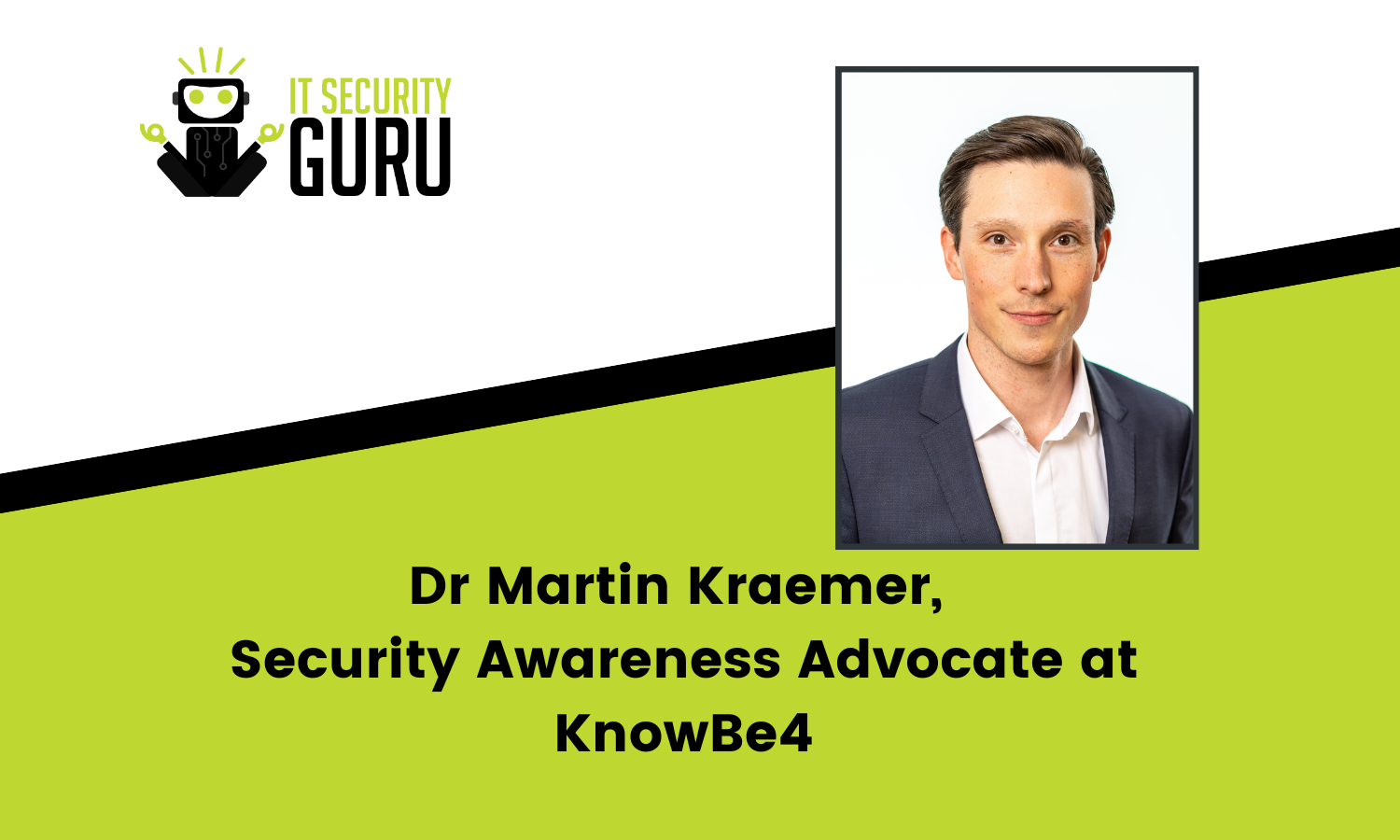
By Martin Kraemer, security awareness advocate at KnowBe4

by The Gurus
July 4, 2025
in Insight, Uncategorized
Psychological Contract Breach and the Power of Security Culture – Research Insights
Share on FacebookShare on Twitter

Employees are expected to behave securely, and the definition of “securely” is often written down in a myriad of security policies. Yet, people do not always comply with security policies or make use of available tools. Gartner documents in their research that 69% of all employees intentionally bypass cybersecurity guidance, and 93% behave consciously and deliberately insecurely when they have to.


Is Non-Compliance a Question of Motivation?

The alleged answer to this challenge is often a lack of awareness or enforcement. Another observation, that people with a lesser sense of belonging to an organisation are more likely to be socially engineered, led a team of researchers from the University of Warwick to investigate more closely.

The motivation to comply with a security policy is often considered as a gentleman agreement between organisations and their employees. The other side of the agreement are perks and benefits. As long as employees feel that these agreements are upheld, (e.g., flexible working hours, bonuses, or the Christmas party) there is mutual respect and understanding. Both sides play by the written and unwritten rules of the employment relationship.

However, as the employment relationship continues, further expectations are established, such as the possibility to work from home on a Tuesday morning to make the school run. When expectations that have been established are not met, employees might become unhappy or even disgruntled–and that is the tricky part, as respecting unwritten and silent understandings is inherently challenging.


Psychological Context Breach Can Lead to Non-Compliance

Psychological Context Breach can lead to non-compliance through unmet expectations and disgruntlement. The researchers at the University of Warwick investigated the effect of Psychological Contract Breach (PCB) on the Intention to Comply with Information Security Policies (ICI). They considered intrinsic motivation (attitudes, self-efficacy, and perceived fairness) and extrinsic motivation (subjective norms, sanction severity, and sanction certainty).

The findings are intriguing. The higher the PCB the lower the ICI. PCB has a negative effect on attitude and perceived fairness (intrinsic motivation) but does not affect sanction severity and sanction certainty (extrinsic motivation). People with high PCB are much harder to coach or train, as they lack intrinsic motivation. PCB opens up Pandora’s box of social engineering as PCB fosters negative beliefs against the organisation.

Organisations with great leadership and a well-established security culture reduce PCB by striving to fulfil their employees psychological contracts and strive to improve attitudes towards ISP compliance. Here is a list of measures to help:

  • Foster open communication and trust: Build trust in supervisors and clarify specific obligations related to job content, career development, organisational policies, leadership, social contacts, work-life balance, job security, and rewards.
  • Empower through support and interaction: Encourage high social interaction, perceived organisational support, and trust.
  • Adopt persuasive management: Utilise a persuasive management style rather than an assertive one.
  • Address perceived unfairness: Identify the reasons why requirements for Information Security Policy (ISP) are perceived as unfair.
  • Cultivate a robust cybersecurity culture: Instill a cybersecurity culture to mitigate behaviours stemming from high PCB.
  • Invest in cultural transformation: Commit to investments that facilitate cultural transformation6.


Building a Positive Security Culture is Key

Secure behaviour is enabled through easy-to-use tools, policy frameworks defining the guard rails of desirable behaviour, and intrinsic motivation to contribute to the security of an organisation. In other words, good security programs are holistic programs that bring together people, process, and technology to secure an organisation.

Advocating for the importance of human risk management to foster a security culture in the organisation cannot be understated. Security culture is the intangible outcome of a healthy cybersecurity mindset that helps to protect an organisation–the thing everyone is doing when they believe no one is looking. A good culture means employees are self-motivated, engage with cybersecurity and consider security also their responsibility. Organisations with a healthy security culture are less likely to fall victim to phishing attacks because users are more likely to behave securely. Good culture fosters secure behaviour.


Tags: cybersecuritypshychologysecurityTechnology
ShareTweet
Previous Post

Strengthening Security Measures Through Strategic Vendor Partnerships

Next Post

Ransomware Attacks Spike Despite Gang Closure

Recent News

AI Appreciation Day: Security Leaders Say the Celebration Needs an Asterisk

AI Appreciation Day: Security Leaders Say the Celebration Needs an Asterisk

July 16, 2026
Q&A: Businesses Are Running Out of Time to Prepare for the Quantum Threat, Warns Moona Ederveen-Schneider

Q&A: Businesses Are Running Out of Time to Prepare for the Quantum Threat, Warns Moona Ederveen-Schneider

July 15, 2026
Proton Launches Business Continuity Service to Keep Firms Communicating Through Outages

Proton Launches Business Continuity Service to Keep Firms Communicating Through Outages

July 15, 2026
Forescout Uncovers AI Assisted Phishing Campaign Using Fake eCards

Forescout Uncovers AI Assisted Phishing Campaign Using Fake eCards

July 14, 2026

Eskenzi PR banner ad

The IT Security Guru offers a daily news digest of all the best breaking IT security news stories first thing in the morning! Rather than you having to trawl through all the news feeds to find out what’s cooking, you can quickly get everything you need from this site!

Our Address: 10 London Mews, London, W2 1HY

Follow Us

© 2015 - 2026 IT Security Guru - Website Managed by Dessol

  • About Us
Manage Consent
To provide the best experiences, we use technologies like cookies to store and/or access device information. Consenting to these technologies will allow us to process data such as browsing behavior or unique IDs on this site. Not consenting or withdrawing consent, may adversely affect certain features and functions.
Functional Always active
The technical storage or access is strictly necessary for the legitimate purpose of enabling the use of a specific service explicitly requested by the subscriber or user, or for the sole purpose of carrying out the transmission of a communication over an electronic communications network.
Preferences
The technical storage or access is necessary for the legitimate purpose of storing preferences that are not requested by the subscriber or user.
Statistics
The technical storage or access that is used exclusively for statistical purposes. The technical storage or access that is used exclusively for anonymous statistical purposes. Without a subpoena, voluntary compliance on the part of your Internet Service Provider, or additional records from a third party, information stored or retrieved for this purpose alone cannot usually be used to identify you.
Marketing
The technical storage or access is required to create user profiles to send advertising, or to track the user on a website or across several websites for similar marketing purposes.
  • Manage options
  • Manage services
  • Manage {vendor_count} vendors
  • Read more about these purposes
View preferences
  • {title}
  • {title}
  • {title}
No Result
View All Result
  • Home
  • Features
  • Insight
  • Channel News
  • Events
    • Most Inspiring Women in Cyber 2026
  • Topics
    • Cloud Security
    • Cyber Crime
    • Cyber Warfare
    • Data Protection
    • DDoS
    • Hacking
    • Malware, Phishing and Ransomware
    • Mobile Security
    • Network Security
    • Regulation
    • Skills Gap
    • The Internet of Things
    • Threat Detection
    • AI and Machine Learning
    • Industrial Internet of Things
  • Multimedia
  • Product Reviews
  • About Us

© 2015 - 2026 IT Security Guru - Website Managed by Dessol