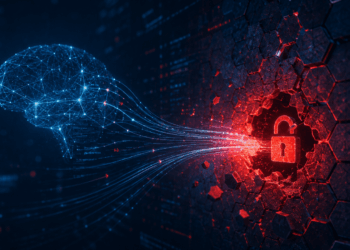
In 2025 we’re not just fighting today’s headline-grabbing cyber threats, but we’re also preparing for tomorrow’s. Technology is evolving at a pace that is both fuelling progress for defenders and powering new tools for bad actors. The same advances that drive discovery and innovation also give cybercriminals new ways to attack faster, more broadly and with greater impact. One of the clearest examples of this dual advancement is quantum computing: a breakthrough that could change the world for good, but also put the very foundations of online security at risk.

What is Quantum Computing?
Quantum computing is an emerging technology that processes information in ways traditional computers never could. Instead of working through one calculation at a time, quantum machines harness the principles of quantum mechanics to evaluate countless possibilities simultaneously.
That power has tremendous upside – potentially accelerating breakthroughs in medicine, science and engineering – but also creating a profound security challenge. Once fully realised, quantum computers will be able to break the public-key cryptography in use today, including RSA and Elliptic Curve Cryptography (ECC). These aren’t niche tools: they secure almost everything online. From the HTTPS connections that protect your browsing to digital signatures on software, as well as online banking, healthcare systems, government platforms and consumer accounts – encryption is the trust layer of the internet.
And most of it is not quantum-resistant. While the U.S. National Institute of Standards and Technology (NIST) has begun standardising quantum-safe encryption algorithms, including Kyber, they are not yet widely deployed. That means the logins and records you create today could be tomorrow’s open doors.
Large-scale quantum computers aren’t publicly available yet, but waiting for them to arrive is a mistake. Cybercriminals aren’t waiting – many have already started preparing.
The “Harvest Now, Decrypt Later” Threat
Hackers understand that quantum power is coming, and they’re planning ahead. Their strategy is simple: steal encrypted data now, knowing they’ll be able to decrypt it later. This “harvest now, decrypt later” approach means that stolen banking details, medical records or login credentials, which are protected currently with strong encryption, could be cracked years down the road – long after the original breach is forgotten.
Weak security practices make this problem worse. Keeper Security research shows that only 30% of people regularly update their passwords, leaving 70% exposed. Even more concerning, 41% reuse the same passwords across accounts, creating an easy opening for credential-stuffing attacks, where one stolen password is used to break into multiple accounts. These everyday habits give cybercriminals exactly the weaknesses they can exploit – whether now or in the quantum era.
Start Preparing Today for the Quantum Shift
The best way to defend against tomorrow’s quantum-enabled attacks is to act now. Leading organisations are already evaluating, developing and deploying quantum-resistant encryption, including NIST-approved algorithms like Kyber, to build in future-ready protections.
Individuals and businesses alike can prepare by taking proactive steps:
- Stay aligned with standards: Be sure to stay up-to-date on official guidelines and standards. Organisations should follow trusted guidance from NIST and the Cybersecurity and Infrastructure Security Agency (CISA).
- Update and patch regularly: You don’t need to track every technical update, but you should ensure the tools and providers you utilise are up to date with the latest security standards. Ensuring that products are regularly updated is critical, as patches often contain critical security fixes to keep your information secure.
- Vet your providers: Don’t just trust that a product is secure – verify it. Use products that meet and surpass compliance requirements, especially those that are looking to the future. When selecting a product for yourself or your organisation, vet it thoroughly against standards that are relevant to your needs.
- Reinforce best practices: As always, following existing best practices is the best way to protect yourself now and later. Use strong, unique passwords and change them regularly to defend against both current and future attack methods. The easiest way to manage them is with a trusted password manager, which generates strong passwords and stores them securely. Store sensitive information in secure, encrypted environments – not browsers, shared documents or sticky notes.
- Monitor for exposure: Every minute counts when your information is stolen. Organisations and individuals should use monitoring services that can alert them if their data appears on the dark web, so they can take immediate action.
And don’t abandon today’s encryption. Current standards remain highly effective and are essential to protecting your data today. The challenge is preparing for a post-quantum future while continuing to safeguard the world we live in right now.
Moving Into a Post-Quantum World
Quantum computing and its implications may sound daunting, but the path forward is clear. Strong, proactive measures taken today will help ensure a safer tomorrow.
This Cybersecurity Awareness Month, let’s recognise that preparing for the future is as important as defending against present threats. By reinforcing best practices, demanding future-proof tools and supporting the shift to quantum-resistant encryption, we can secure not only today’s digital world, but the post-quantum world we are heading toward.